Craniosacral Therapy
Gentle, non-invasive work on the craniosacral system for headaches, sleep, neck/shoulder pain and stress.
In today’s fast-paced life, more and more people are troubled by headaches, insomnia, anxiety, discomfort in the neck, shoulders, lower back and spine, posture problems, and difficulties with learning ability and concentration. Medication brings fears of side effects, while massage offers only temporary relief. Is there a gentler approach that addresses problems at their root? The following gives you a comprehensive overview of craniosacral therapy, a gentle yet powerful form of body-and-mind restorative care.
1. What is craniosacral therapy?
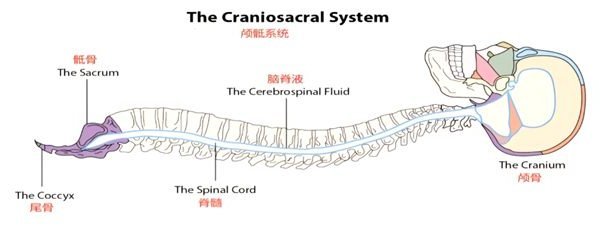
Craniosacral therapy is a non-invasive hands-on treatment established through scientific research by the American osteopathic physician John E. Upledger between 1975 and 1983. It works primarily on the craniosacral system — a precise physiological system made up of the cranial bones, the sacrum, the meninges that enclose the brain and spinal cord, and the cerebrospinal fluid that circulates within them. It can be regarded as the body’s “centre of life”.
What makes it unique is its extreme gentleness: the therapist applies only about the weight of a five-cent coin (around 5 grams), like lightly touching a flower petal. Through precise palpation, the therapist senses the natural pulsation of the cerebrospinal fluid 6 to 12 times per minute (the craniosacral rhythm), releasing tension and restriction within the system and awakening the body’s innate capacity to self-regulate, self-correct and self-repair.
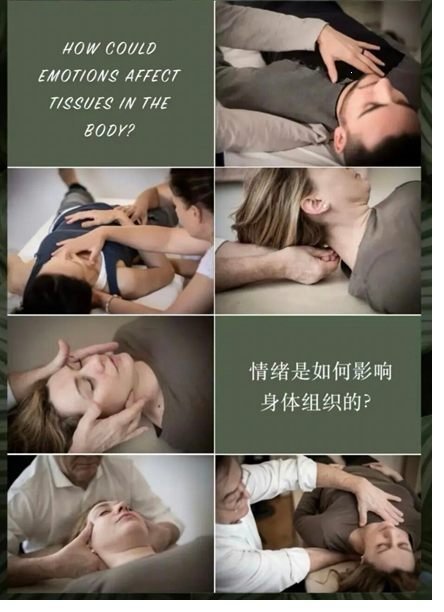
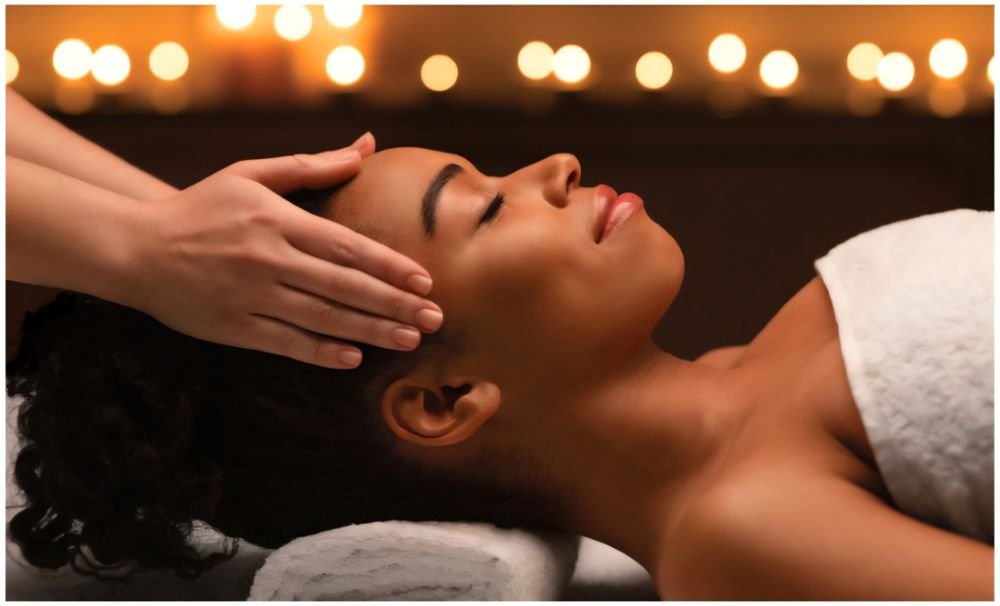
Craniosacral therapy is a gentle, non-invasive, deeply relaxing natural healing technique. It focuses on regulating the body’s craniosacral system: from the cranial bones to the spine to the sacrum, making fine adjustments to the cerebrospinal fluid circulation around the brain and spinal cord, the tension of the meninges, and the body-wide fascial network. The process is extremely gentle, with pressure so light that it is almost imperceptible, yet it can precisely release deep-seated tension, stress and trauma memory held in the body, awakening the body’s natural self-healing ability.
2. Which specific problems can craniosacral therapy help with?
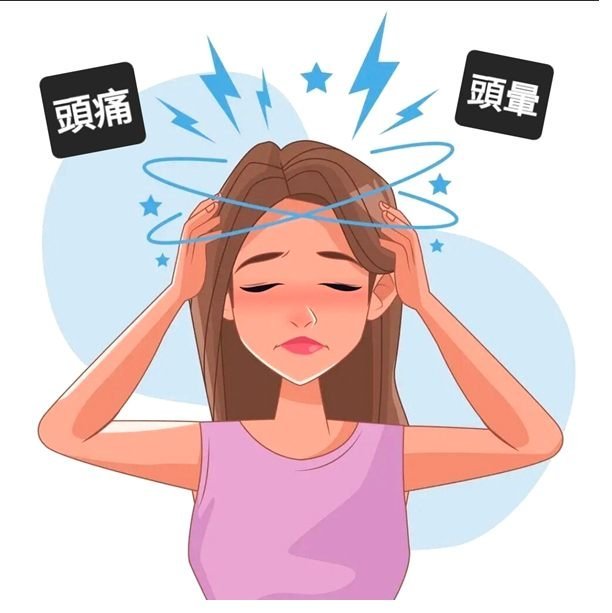
- Easing headaches, migraines and persistent dizziness: Many headaches are not simply a matter of “being overtired”, but result from disturbance of the craniosacral rhythm and tension in the meninges. By regulating the flow of cerebrospinal fluid, craniosacral therapy addresses the frequency and intensity of headaches at their source.
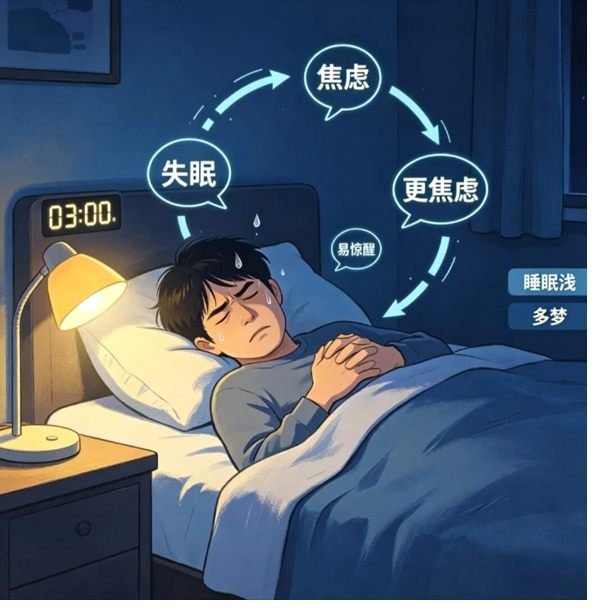
- Improving sleep (difficulty falling asleep, waking easily, vivid dreams, light sleep): By releasing nervous tension, it allows the body to switch from a “tense, stress-response mode” into a “relaxed, restorative mode”. Many people notice they sleep more deeply and soundly after just one session.
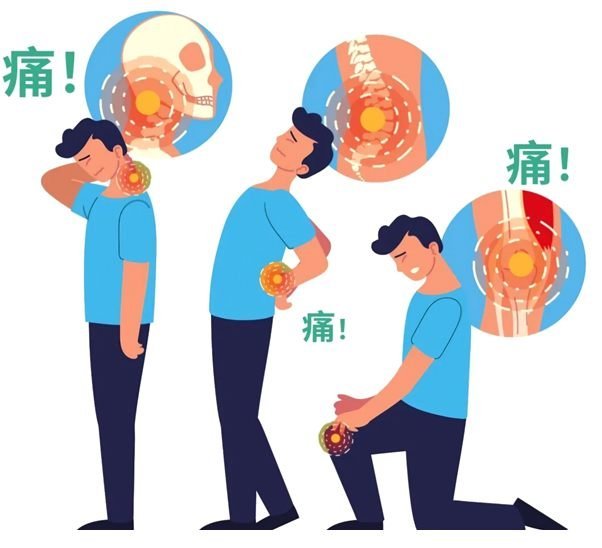
- Relieving chronic neck, shoulder and lower-back pain and posture problems: Prolonged sitting, looking down at devices and poor posture can leave the fascia and craniosacral system tight and strained. Craniosacral therapy releases deep fascial tension, helping posture return naturally to alignment, with pain gradually easing.
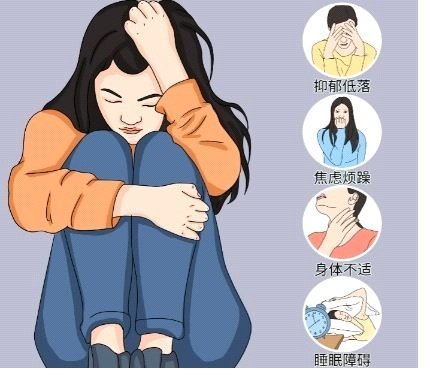
- Regulating mood (anxiety, depression, high stress, low mood, irritability, sensitivity, defiance, and so on): It is not only “physical care” but also emotional healing. It can soothe the central nervous system, ease inner tension, and help a person feel calmer, more stable and more grounded.
- Improving focus and concentration: It can enhance reading ability, comprehension and logical thinking, supporting learning ability in many ways. It is especially helpful for students, office workers and those who use their minds intensively, helping to “lighten the load” on the brain so that thinking becomes clearer.
 6. Facial and overall relaxation, improved complexion: Once the craniosacral rhythm flows smoothly, circulation in the head improves, and facial puffiness, dullness and tightness ease. The complexion brightens from within, presenting a naturally relaxed appearance.
7. Eye-related problems: Conditions such as astigmatism, blurred vision, double vision, dry eyes or strabismus may receive adjunctive improvement by relieving stress in the connective-tissue layers enclosing the eye, the tissues covering the optic nerve, the structures surrounding the oculomotor nerve, or areas that interfere with visual processing.
6. Facial and overall relaxation, improved complexion: Once the craniosacral rhythm flows smoothly, circulation in the head improves, and facial puffiness, dullness and tightness ease. The complexion brightens from within, presenting a naturally relaxed appearance.
7. Eye-related problems: Conditions such as astigmatism, blurred vision, double vision, dry eyes or strabismus may receive adjunctive improvement by relieving stress in the connective-tissue layers enclosing the eye, the tissues covering the optic nerve, the structures surrounding the oculomotor nerve, or areas that interfere with visual processing.
3. Indications for craniosacral therapy
- Childhood behavioural disorders: asthma, allergic rhinitis and dermatitis, recurrent abdominal pain, visual abnormalities, enuresis (bed-wetting), learning disorders, developmental coordination disorder, attention deficit hyperactivity disorder, pervasive developmental disorders (intellectual developmental delay, autism), anxiety disorders, depressive disorders, social anxiety disorder, and so on.
- Head: headache, facial palsy, otitis media, tinnitus, Ménière’s disease, allergic rhinitis, post-concussion syndrome, temporomandibular joint (TMJ) dysfunction.
- Neck: cervical spondylosis, pharyngitis, torticollis (wry neck).
- Chest: asthma, chronic cough, tachycardia, thoracic outlet syndrome.
- Abdomen: gastro-oesophageal reflux disease, gastritis, peptic ulcer, cholecystitis, constipation, chronic enteritis, irritable bowel syndrome.
- Pelvis: sacroiliitis, pelvic inflammatory disease, dysmenorrhoea (period pain), dyspareunia (painful intercourse), erectile dysfunction, chronic prostatitis.
- Systemic: learning difficulties, anxiety disorders, depression, hypertension, pregnancy and infant care, premenstrual syndrome, paediatric nervous-system dysfunction, dyslexia, hyperactivity (ADHD), autism, cerebral palsy, low back pain, scoliosis.
4. Who is best suited to craniosacral therapy?
- Office workers and mothers who frequently stay up late or are mentally overworked.
- People repeatedly troubled by headaches and insomnia.
- Those who sit for long periods at work and have poor posture and neck, shoulder, lower-back or back pain.
- People under high stress, emotionally sensitive or prone to anxiety.
- Students: to improve concentration, memory and overall learning ability, and to improve sleep.
- Women seeking postpartum recovery or wishing to care for their bodies gently.
- Those pursuing anti-ageing and a healthy complexion nurtured from the inside out.
- People who are not suited to forceful tui-na (Chinese therapeutic massage), who fear pain, or who prefer gentle care.
5. Why are more and more people choosing craniosacral therapy?
- Extremely gentle and almost imperceptible, so it is friendly even to those who fear pain.
- It works from the inside out, rather than offering only surface relaxation.
- It often produces results relatively quickly, with noticeable improvements in sleep, mood and tension.
- Non-traumatic with few side effects, suitable for both the elderly and infants.
- Body and mind are addressed together, nurturing both the body and the emotions.
6. Points to note for craniosacral therapy
The therapist sits down and, with the lightest touch, creates a safe space, respecting the body’s expression and its inner rhythm. They wait for the client’s system to unfold and convey the information it wishes to express about its state of health and its history. This calls for quiet, patient listening. Without listening, there is no healing.
Before starting
It is advisable to wear loose-fitting clothing. Please avoid shapewear, tight clothing, skirts or any garments that are overly tight or restrictive.
During the session
Situations that may arise during the treatment:
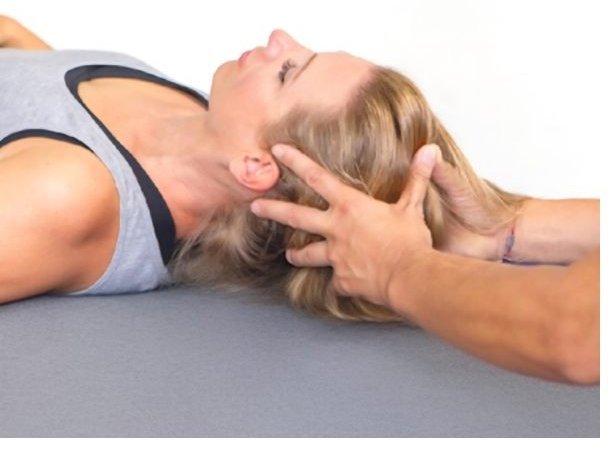
- Sleep: The client may fall asleep during the treatment, or be in a half-asleep, half-awake state. These are positive signs of relaxation, indicating that the body feels safe and that the nervous system is resting and repairing. The body only begins its self-healing work when it is relaxed.
- Breathing: Changes in the client’s breathing — deepening, quickening, breath-holding, sighing or snoring — are all normal responses of the body adjusting itself.
- Involuntary body movements: During the treatment, different parts of the client’s body may show larger or smaller trembling or swaying, which the client may or may not be aware of. This reflects the relaxation of muscle and fascia after the nerves receive stimulation, and is a sign of the body’s interconnectedness; it is sometimes also part of a process of emotional release.
- Bowel sounds: During the treatment, gurgling bowel sounds may arise in the client’s abdomen. This results from increased gastrointestinal motility and is also a sign of the digestive system relaxing and adjusting itself.
- Tingling, numbness, cold and heat sensations: The client may feel warmth, cold or a brief sensation of electric current in the body. These all reflect physiological responses as the nervous system relaxes or during a release of the central nervous system. “Numbness” may be brief discomfort caused by staying in one position for a long time, unrelated to craniosacral therapy, and can be resolved by readjusting the posture.
- Pain: Pain can also arise during normal treatment, related to old injuries and areas of past discomfort. Simply relax, accept it, and allow it to express itself; how long it lasts is related to the body adjusting some long-standing pattern.
- Emotional release: Emotions arising during treatment are very common. Suppressed emotions are often difficult to express correctly; at such times they need to be acknowledged, properly recognised and released. Allowing expression is a very good way to deal with them; if avoided, it is like “pushing down a gourd only for another to bob up” — at some point it will surface again.
After the session
To better support the inner reorganisation of body and mind, and the ongoing changes over the following days, the following responses after each session are all normal, so please do not worry:

- Relaxation: A common response to craniosacral work is deep relaxation, together with a sense of ease, comfort and contentment.
- Sleep: After returning home that day, you may sometimes sleep very well, or be temporarily unable to sleep — both are normal.
- Pain: Because of the body’s adaptation and compensation mechanisms, old injuries beneath the surface of tension, stiffness and suppression may be released and rise to the surface. The discomfort this brings is a normal part of the release process. Pain and tension usually ease, but it is unrealistic to expect all long-standing pain to disappear instantly.
- Dizziness: Please get up slowly after the treatment ends.
- Occasional detox-type reactions: Such as fatigue, drowsiness, mild headache, sleep that is poorer than before, or discomfort in certain areas appearing some time after treatment. These symptoms are usually only temporary. They may arise because the body has used a great deal of energy in the repair process and will improve after 3 to 5 days of rest; or they may be detox-type reactions caused by symptoms the client has had for a very long time (such as long-term insomnia, headaches, a large build-up of negative emotions, or deep-seated conditions).

Final reminders
- Avoid vigorous activity within 36 hours, as well as stressful behaviour or destructive emotional states that may disturb or interrupt the inner reorganisation process. The 24 hours afterwards are a period of ongoing self-repair for the body.
- A 5 to 10 minute walk is recommended; walking will help body and mind adjust to a new balance.
- On the day of the session (or over the following days), the body may feel more painful, more sleepy or thirstier, with mood changes, and you may feel drowsy or unable to sleep. These are all normal, so do not worry. If you cannot sleep, please do not look at your phone.
Conclusion
True health and beauty have never been about surface adornment, but about allowing the body to return to the relaxed state it was always meant to have. Craniosacral therapy uses the gentlest of means to awaken the body’s own self-healing power, helping you sleep well, be free of pain and anxiety, enjoy a good complexion, and live with lightness from the inside out.
Craniosacral therapy gently helps the body return to a relaxed state; results vary between individuals.
Wondering if this treatment suits you? Get in touch to enquire.