Visceral Manipulation
Gentle release of visceral fascia to improve digestion, postpartum recovery and chronic back pain.
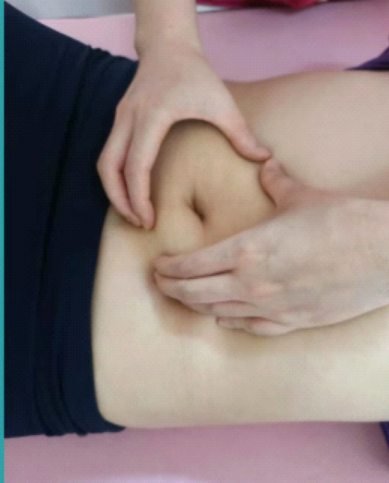
What is visceral manipulation?
Visceral manipulation is a gentle, precise physiotherapy technique. Its core principle is to use light palpation and handling to release tension and adhesions in the visceral fascia of the abdominal and pelvic cavities, restoring the normal mobility, position and rhythm of the internal organs, and thereby addressing at their source the various forms of discomfort caused by fascial tension and adhesion. It requires no surgery and no medication, is safe with few side effects, and is suitable for people of all ages.

How it works
Its principles can be understood simply as follows:
- Releasing the “traction force”: loosening visceral fascial adhesions and tension is like smoothing out the creases in a piece of clothing, allowing the organs to regain their free rhythm.
- Improving “communication”: optimising the transmission of information between the organs and the central nervous system, and improving local blood circulation and lymphatic return, creating a favourable environment for tissue repair.
- Repositioning the “structure”: when visceral tension returns to normal, the abnormal pull it exerts on the spine and pelvis disappears, and the body’s mechanical structure is naturally optimised.
The following common problems tend to respond well
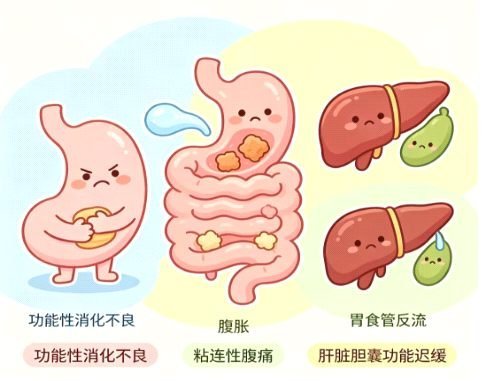
- Digestive system problems: functional dyspepsia, long-standing bloating, stubborn constipation, gastro-oesophageal reflux, adhesion-related abdominal pain, as well as sluggish liver and gallbladder function. By loosening the abdominal fascia, organ motility can be effectively improved and discomfort relieved.
- Postpartum recovery: problems commonly faced by new mothers, such as chronic lumbosacral pain, constipation, pelvic-floor dysfunction, slow recovery of diastasis recti (separation of the rectus abdominis), and scar adhesions following a Caesarean section. Visceral manipulation can precisely release the fascia that has become tight after childbirth, supporting a quicker recovery of the body and reducing after-effects.
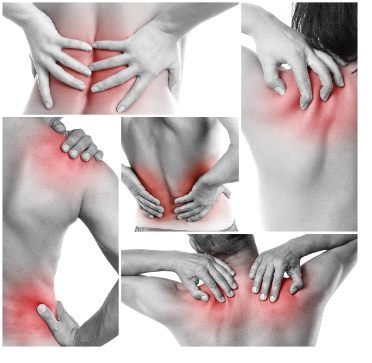
- Musculoskeletal discomfort: the root cause of much stubborn pain lies not in the muscles but in the organs. For example, chronic back pain, neck and shoulder stiffness and pain, pelvic pain, sacroiliac joint dysfunction, as well as adjunctive treatment for scoliosis and postural abnormalities, can all be relieved through visceral manipulation.
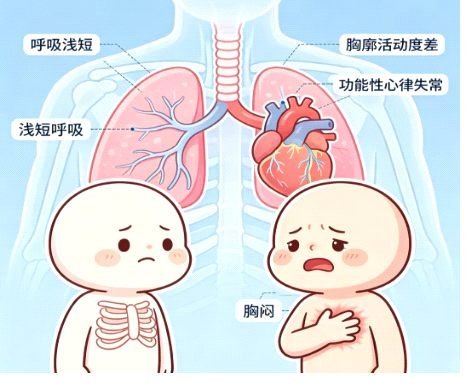
- Other applicable situations: shallow, short breathing, poor rib-cage mobility, certain functional arrhythmias or chest tightness, and scar adhesions left behind after surgery or trauma can all be improved through visceral manipulation.

Common “organ–symptom” links
In fact, the human body is one “whole fascial network”. The following are common clinical links:
- Stomach tension → left-sided neck and shoulder ache, restricted breathing: the stomach connects via ligaments to the diaphragm; a tight diaphragm → affects the thoracic spine → the neck and shoulders compensate.
- Liver tension → right shoulder ache, fullness in the right upper abdomen: the suspensory ligament of the liver connects to the right costal margin, so when the fascia around the liver becomes tight, the most common reflex is right shoulder discomfort.
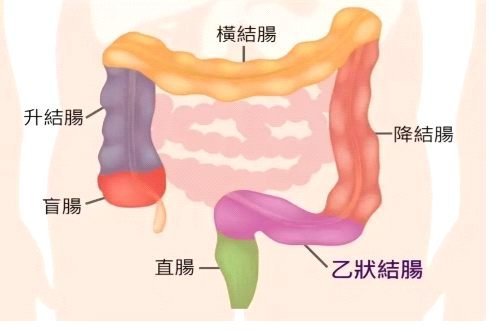
- Large-intestine tension → low back pain, hip weakness: the large intestine is anchored near the fascia of the lumbar spine, and uneven tension reduces lumbar spine mobility.
- Gastrointestinal gas/bloating → chest tightness, forward-leaning posture, fatigue: rising abdominal pressure presses on the diaphragm, breathing becomes shallow, whole-body metabolism declines, and muscle fatigue becomes more likely.
These are not cases of “diseased organs” but functional problems caused by tightness of the fascia surrounding the organs.
How is visceral manipulation performed?
Many people mistakenly assume that visceral techniques are intense, but in reality they involve: pressure so light it is almost painless; a precise search for deep fascial tension; and, through fine adjustments, the restoration of the “gliding sensation” between the organs and the fascia.
The techniques are mainly focused on:
- The upper abdomen (stomach, liver, diaphragm)
- The mid-abdomen (small intestine, mesentery)
- The lower abdomen (large intestine, ligaments around the uterus)
- The flanks (kidneys, the psoas major region)
Each improvement in glide may bring greater mobility, less tightness, smoother breathing and more relaxed posture.
Visceral manipulation may seem mysterious, but it is in essence highly scientific and very logical: every structure in the body is connected through fascia, so whenever one link becomes stuck, the whole body compensates. If you have long-standing, recurrent aches or posture that is difficult to improve, it may not be a muscle problem alone — the visceral fascia is the overlooked piece of the puzzle.
Visceral manipulation can help with the following
- Joint pain in the neck, shoulders, lower back, legs and elsewhere
- Functional disorders of the limb joints (restricted mobility, pain)
- Muscle and ligament injuries
- Digestive system disorders (abnormal gastrointestinal function, bloating, indigestion, acid reflux, constipation)
- Liver and gallbladder disorders
- Reconstruction of the visceral system after childbirth
- Pelvic visceral problems (dysmenorrhoea, “cold uterus” (gong han), lower-abdominal protrusion, poor circulation in the lower limbs)
- Post-surgical scar repair (repairing and preventing overgrowth)
- Sleep disturbances
- Breathing and emotional disturbances
Summary: why pay attention to your visceral fascia?
It offers us a completely new perspective on pain and dysfunction: instead of looking only at the muscles and bones, it reaches deeper into the core “visceral environment”. It is a root-level form of conditioning that relieves outward symptoms by restoring internal balance. It concerns whole-body health — only when your organs can move freely and work smoothly will the whole body feel more relaxed and more energetic.
Release from the inside out is what true relaxation really means. Giving your visceral fascia a chance to “let go” may be a hidden key to unlocking long-standing troubles.
Release from the inside out is true relaxation; results vary between individuals.
Wondering if this treatment suits you? Get in touch to enquire.