Lymphedema Treatment
Complete decongestive therapy — manual lymphatic drainage, compression, acupuncture and exercise.
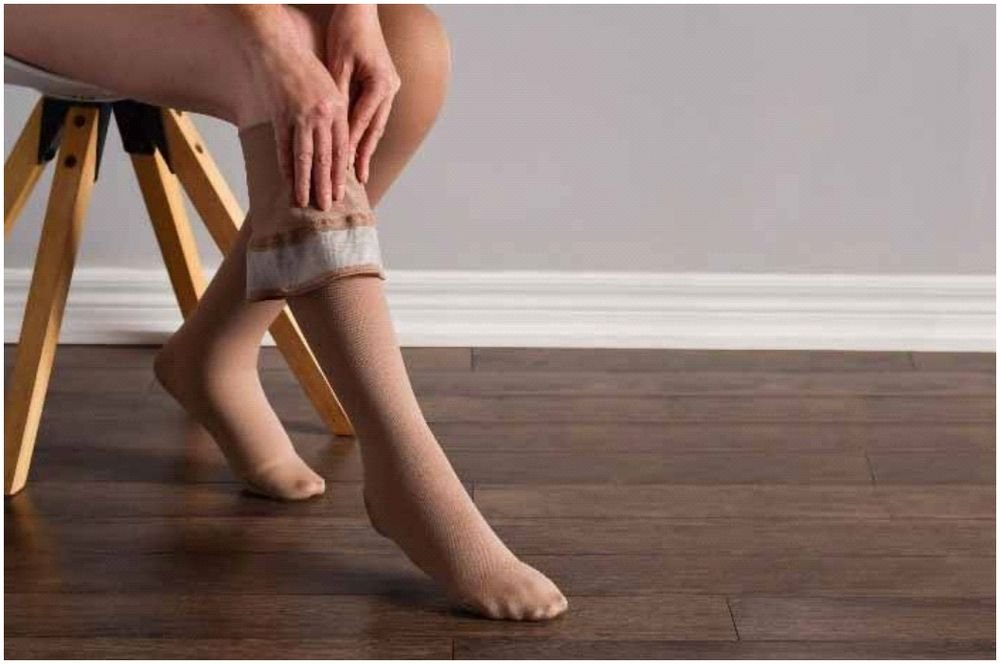
1. What is lymphedema?
Lymphedema is the swelling that occurs when lymph fluid abnormally accumulates in the subcutaneous tissue. Any damage to the lymphatic system can lead to lymphedema. It is most commonly found in the upper or lower limbs, but lymphedema can also develop elsewhere in the body, for example in the breast, head or neck.
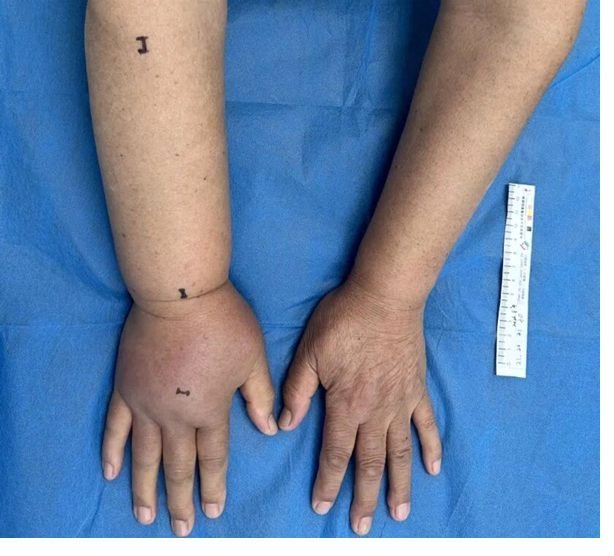
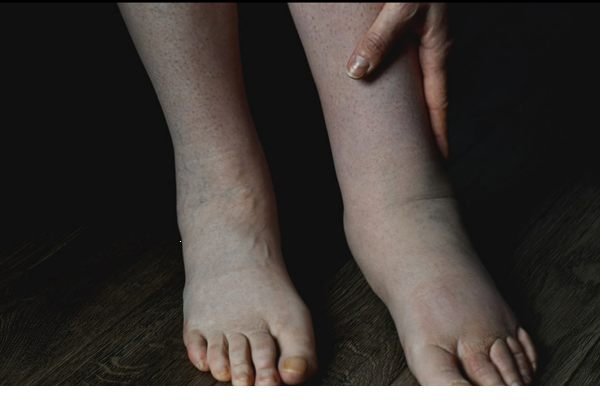
2. The two main causes of lymphedema
- Secondary lymphedema (the majority of cases): most often triggered by surgery, radiotherapy and similar treatments. For example, when lymph nodes are dissected after surgery for breast cancer or cervical cancer, the channels through which fluid drains back are disrupted.
- Primary lymphedema: caused by abnormalities of the lymph vessels or lymph nodes. The precise cause is still not fully understood and is closely related to genetic mutation. It may occur in infancy and early childhood (congenital lymphedema), before the age of 35 — that is, in childhood or adolescence (early-onset lymphedema), or after the age of 35 (late-onset lymphedema).
3. Do a “self-check” first — do not ignore these symptoms
- Swelling of all or part of a limb.
- A sense of heaviness, tightness and restricted movement in the limb; deepened skin folds, thickening and hardening of the skin, or skin resembling orange peel.
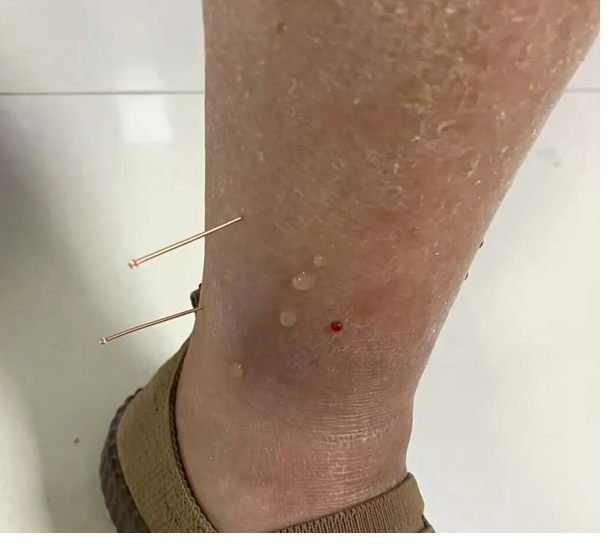
- Clear fluid seeping from the surface of the skin, or small blisters appearing.
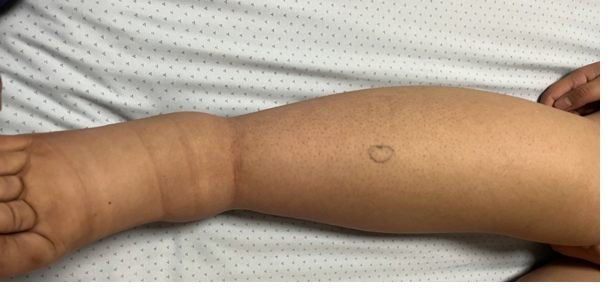
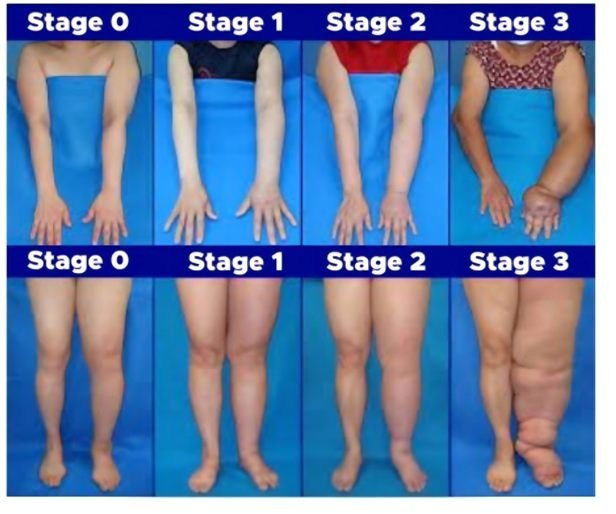
4. The stages of lymphedema
The onset of lymphedema is very hard to predict: in some people it appears immediately after completing surgery or cancer treatment, in others it may appear only many years later, and in some it may never appear at all. Lymphedema is classified into the following stages —
- Stage 0: no swelling is visible on inspection, but the affected limb may feel heavy or tight.
- Stage I: swelling appears in the affected limb, usually most obvious at the end of the day, but relieved on waking in the morning or by elevating the limb. Pressing with a finger leaves a clear pit, which generally takes a few seconds to rebound.
- Stage II: the swelling can no longer be reduced by elevating the limb, and the skin may become hard and thick (fibrosis). At this stage the risk of skin infection increases.
- Stage III: the swelling begins to affect joint movement, and the texture of the skin becomes leathery, like elephant skin. In some cases lymph fluid leaks out through the skin.
5. Treatment of lymphedema
The approach to treating lymphedema varies according to the stage of the swelling.
Patients at Stage 0 and Stage I are generally helped to control their lymphedema through positioning of the affected limb, compression garments and exercise. If the condition is more serious, as in Stages II and III, a certified lymphedema therapist will carry out Complete Decongestive Therapy, which includes:
- Acupuncture treatment combined with internally taken Chinese herbal medicine.
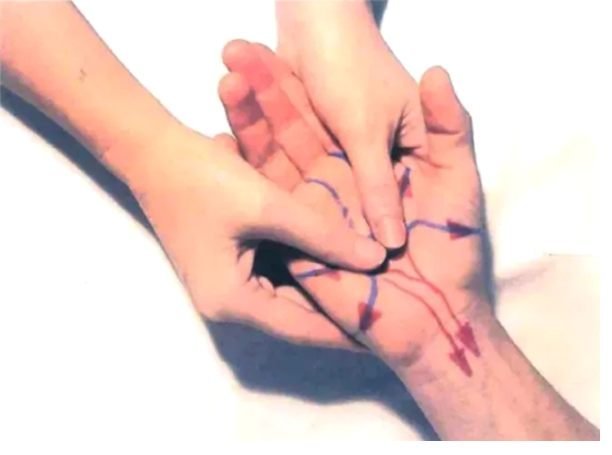
- Manual lymphatic drainage — enhancing lymph circulation to reduce swelling.
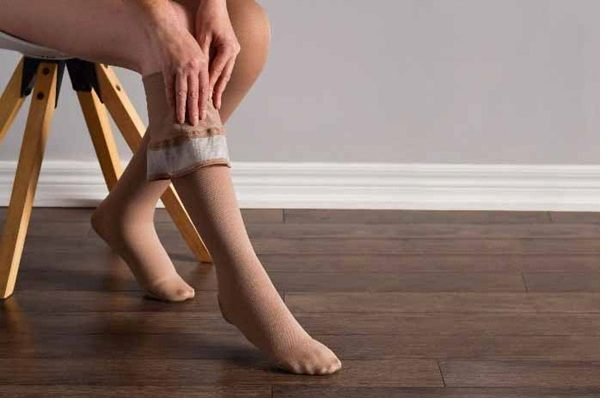
- Compression therapy (usually with bandaging) — using special bandages to enhance lymph circulation.
- Exercise — combined with the above treatments to further help lymph circulation and maintain joint range of motion.
6. Living with lymphedema — everyday precautions
At present there is still no method that completely cures lymphedema; patients need to manage the condition on an ongoing basis to keep its impact to a minimum. In daily life, the following points should be kept in mind:
- Avoid measuring blood pressure or drawing blood from the affected limb.
- Avoid overly hot environments, such as bathing in very hot water or prolonged exposure to the sun.
- Avoid carrying heavy objects.
- Protect the skin and try to avoid damage such as cuts or scratches, sunburn and insect bites.
- Consult a professional before air travel, and wear a suitable compression garment.
- Regularly practise self-care techniques to control lymphedema.
- Maintain a regular exercise habit to stimulate lymph circulation.
At present there is no complete cure for lymphedema; patients need to manage it continuously to keep its impact to a minimum. Results vary from person to person.
Wondering if this treatment suits you? Get in touch to enquire.