Acupuncture
Needling and moxibustion to unblock meridians and regulate qi and blood for pain and many conditions.
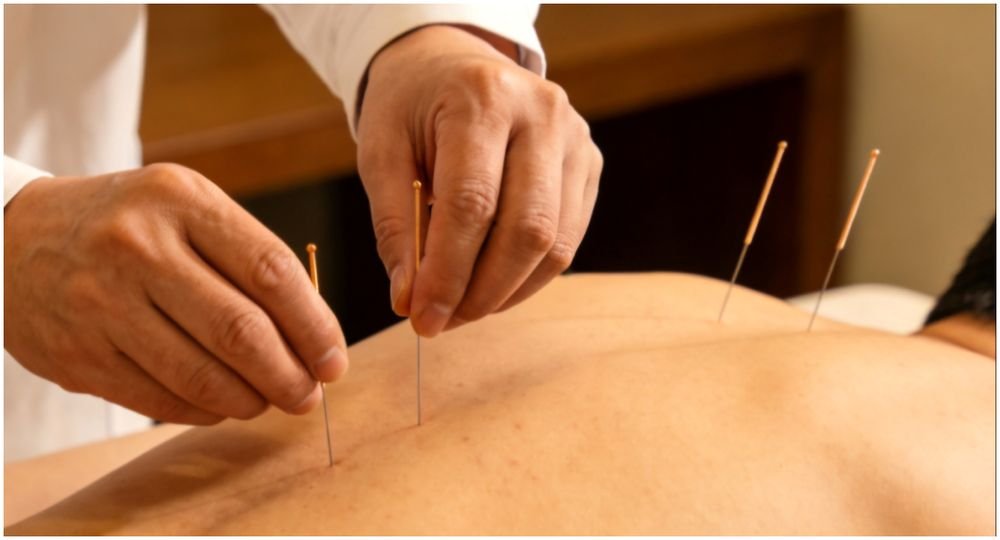
What exactly is acupuncture? A brief look at the difference between “needling” and “moxibustion”
Acupuncture is one of the most important therapies in Chinese medicine. The classical text “The Great Compendium of Acupuncture and Moxibustion” (Zhenjiu Dacheng) even states that “for the art of saving life, the marvellous use lies in the needle” and “nothing is swifter than acupuncture and moxibustion for relieving illness,” along with the saying “first the needle, second moxa, third medicine” - all emphasising how convenient acupuncture and moxibustion are to administer and how quickly they take effect. Put simply, “acupuncture” (zhenjiu) actually encompasses two methods of treatment, “needling” (zhen) and “moxibustion” (jiu):
- Needling: inserting very fine metal needles into the body’s acupoints, stimulating specific points to regulate the body’s functions and thereby treat illness.
- Moxibustion: using the heat produced by burning materials such as mugwort (moxa) to warm and fumigate acupoints, promoting the flow of qi and blood, with the effect of dispelling cold and removing damp.
According to TCM theory, imbalance of qi and blood and blockage of the meridians lead to illness; through acupuncture one can achieve the effects of “unblocking the meridians, harmonising qi and blood, and reinforcing the healthy energy while expelling pathogenic factors.”
Conditions acupuncture may help (indications)
As an important component of traditional Chinese medicine, acupuncture has been recognised by the World Health Organization (WHO) and the medical systems of many countries, and its range of indications is very broad. By stimulating specific acupoints it regulates qi and blood and balances yin and yang, thereby treating illness and supporting general health. The following are the main categories of indications for acupuncture treatment and their common conditions:
1. Painful conditions (one of acupuncture’s areas of greatest strength)
Musculoskeletal pain
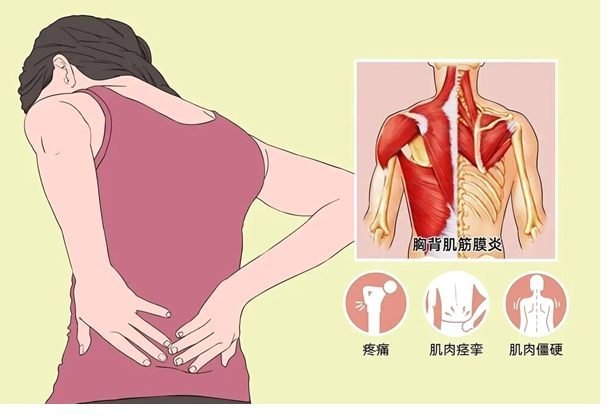
- Neck and shoulder pain (cervical spondylosis, stiff neck, frozen shoulder)
- Low back pain (lumbar disc herniation, lumbar muscle strain, acute lumbar sprain)
- Arthritis (osteoarthritis, rheumatoid arthritis, gouty arthritis)
- Tennis elbow, golfer’s elbow
- Tenosynovitis
- Fibromyalgia syndrome
- Post-operative pain
Neuropathic pain
- Headache (migraine, tension-type headache, cluster headache)
- Trigeminal neuralgia
- Sciatica
- Post-herpetic neuralgia
2. Neurological conditions
- Stroke sequelae (motor, sensory, speech, swallowing and other functional impairments)
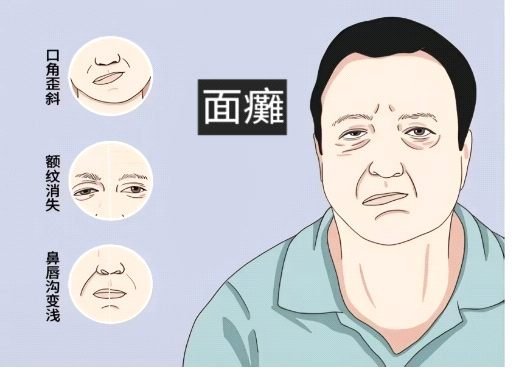
- Facial palsy (Bell’s palsy)
- Peripheral neuropathy
- Dizziness, tinnitus
- Neurogenic bladder dysfunction
- Insomnia
- Anxiety and depression (as adjunctive treatment)
- Parkinson’s disease (adjunctive symptom relief)
- Multiple sclerosis (adjunctive symptom relief)
3. Digestive system conditions
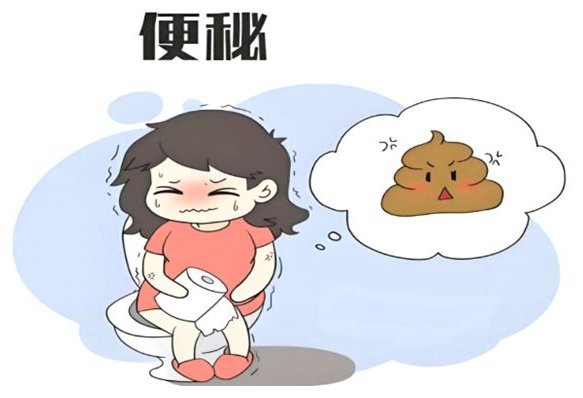
- Functional dyspepsia
- Hiccups
- Gastro-oesophageal reflux disease (adjunctive treatment)
- Irritable bowel syndrome (diarrhoea, constipation, abdominal pain)
- Nausea and vomiting (e.g. post-operative, post-chemotherapy, hyperemesis gravidarum)
- Chronic gastritis (adjunctive treatment)
- Peptic ulcer (adjunctive treatment)
4. Gynaecological conditions
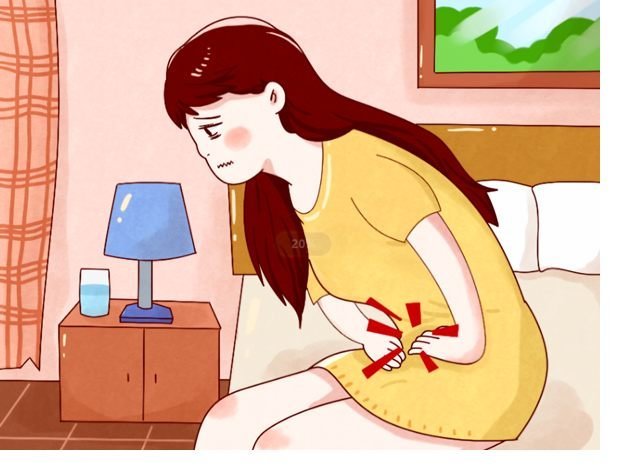
- Dysmenorrhoea (painful periods)
- Menstrual irregularity
- Infertility (adjunctive treatment, e.g. improving ovarian function and endometrial receptivity)
- Menopausal syndrome (hot flushes, night sweats, insomnia, mood swings, etc.)
- Pregnancy-related symptoms (nausea and vomiting, low back pain, malposition of the fetus - to be performed by a qualified practitioner)
- Pelvic inflammatory disease (adjunctive treatment in the chronic phase)
- Adjunctive treatment for assisted reproductive technology (IVF, etc.)
5. Respiratory system conditions
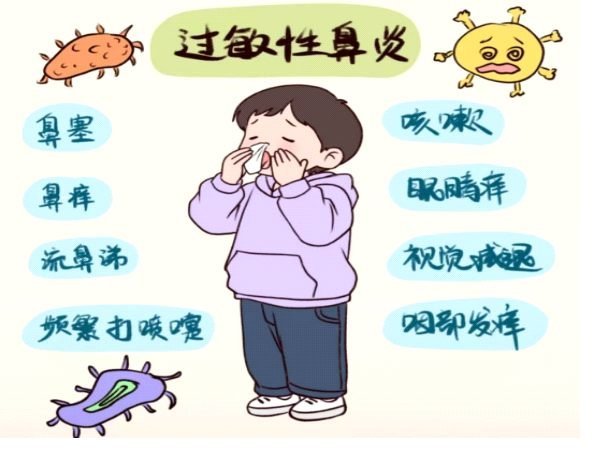
- Allergic rhinitis
- Sinusitis (chronic)
- Common cold
- Asthma (adjunctive treatment, symptom relief)
- Cough (e.g. arising from acute or chronic bronchitis)
6. Urogenital system conditions
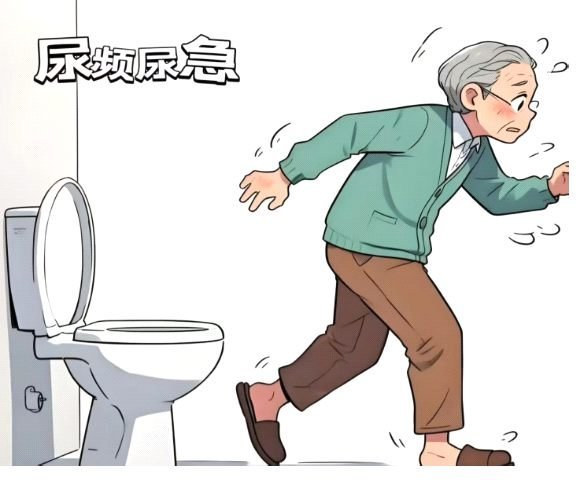
- Stress urinary incontinence
- Neurogenic bladder
- Chronic prostatitis (non-bacterial)
- Enuresis (childhood bed-wetting / nocturnal enuresis)
- Urinary retention (functional)
7. Dermatological conditions
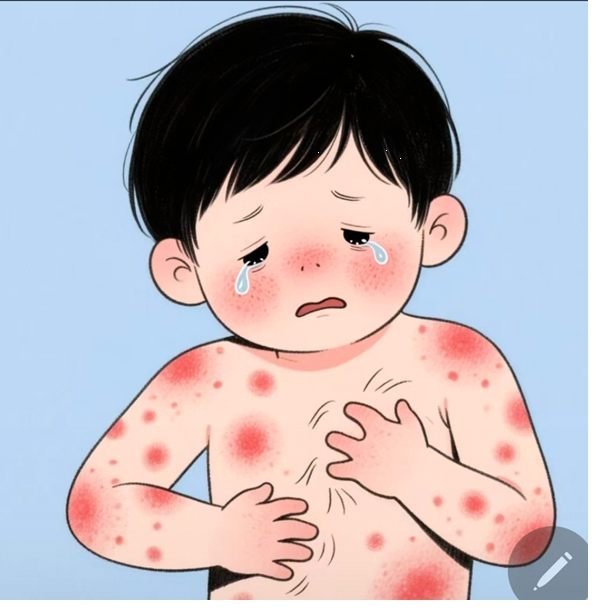
- Acne
- Urticaria
- Eczema (adjunctive itch relief)
- Neurodermatitis
- Shingles (herpes zoster) - pain relief and aiding recovery
8. Cardiovascular system
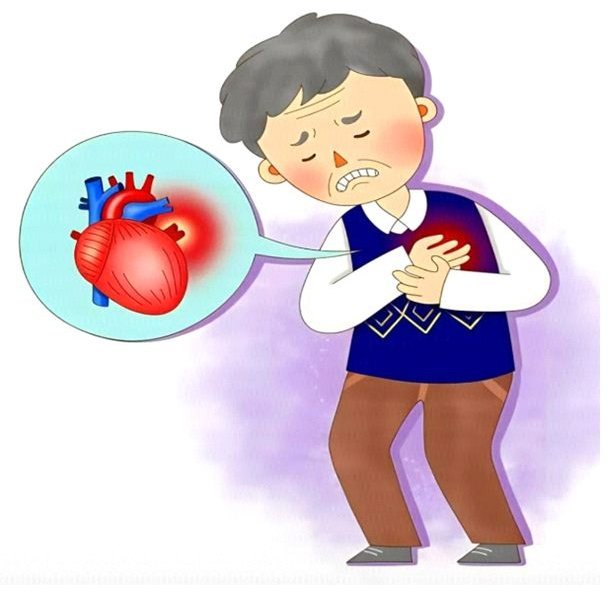
Acupuncture has a marked effect in improving myocardial ischaemia, relieving symptoms of chest tightness and palpitations, and easing states of anxiety and depression. In addition, acupuncture can effectively dilate blood vessels and reduce the load on the heart, and it also has a certain regulating effect on vascular conditions such as hypertension and arteriosclerosis obliterans of the lower limbs.
9. Other
- Ophthalmic conditions: dry eye syndrome, central serous chorioretinopathy, myopia (pseudomyopia in adolescents), styes (hordeolum), and the like.
- Ear, nose and throat conditions: tinnitus, deafness (neurogenic, sudden onset), Meniere’s disease, chronic pharyngitis.
- Metabolic and endocrine conditions: simple obesity (adjunctive weight management), hyperthyroidism or hypothyroidism (adjunctive symptom regulation), type 2 diabetes (adjunctive blood-glucose regulation and symptom improvement).
- Cancer-related: reducing the side effects of radiotherapy and chemotherapy (nausea and vomiting, leucopenia, fatigue, pain), cancer pain, and improving quality of life.
- Paediatric conditions: enuresis, indigestion, anorexia (poor appetite), Tourette’s syndrome (tic disorder), childhood cerebral palsy (as rehabilitation support).
- Mental and psychological conditions: as an adjunctive measure for anxiety, depression, stress disorders, substance addiction (withdrawal symptoms) and the like.
- Sub-health states: chronic fatigue syndrome, low immunity, constitutional conditioning.
In summary: acupuncture has a very broad range of applications, with notable benefit particularly in pain management, recovery of neurological function, regulation of internal-organ function (digestive, urinary, reproductive, endocrine, etc.), and improving immunity and sub-health states. It is an important complement to modern medicine.
Points to note during treatment
The results of acupuncture vary according to the duration of the condition and the individual’s constitution. During the course of treatment, please keep a calm and settled mood and avoid mental tension; favour mild, light food and avoid raw, cold or irritating foods; ensure adequate sleep and avoid overexertion. The specific course of treatment varies from person to person and according to the condition; please proceed in line with your practitioner’s assessment.
Results vary between individuals. Please consult a registered Chinese medicine practitioner.
Wondering if this treatment suits you? Get in touch to enquire.