Bone-setting & Traumatology
Manipulation, tui-na, acupuncture and medicines for neck, shoulder, back and joint injuries.
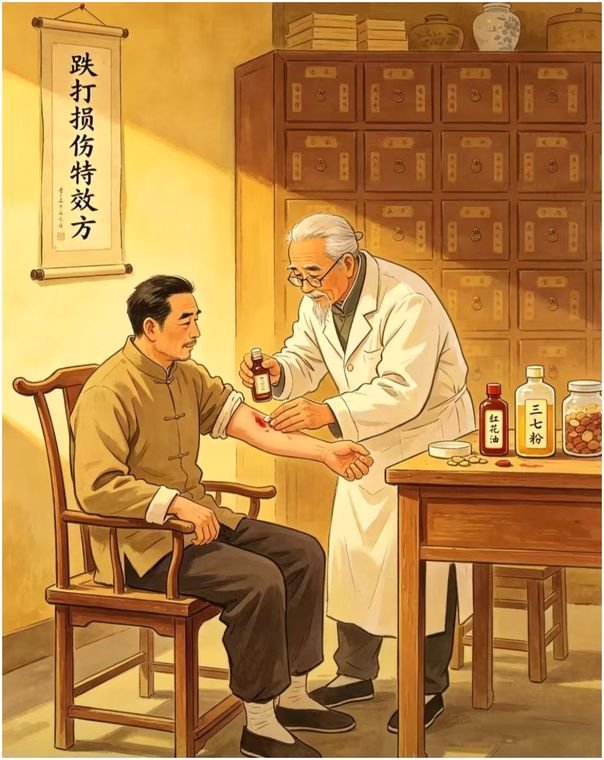
Can back pain and knee degeneration also be treated in the traumatology department?
Is it only sprains, contusions and bone-setting injuries that can be treated in the traumatology department? This is a question people commonly ask. In fact, TCM traumatology is comparable to a combined version of the orthopaedics, rehabilitation and pain departments in Western medicine — any pain of the muscles, joints or nerves can be treated by TCM traumatology, and it is not limited to injuries caused by external force.
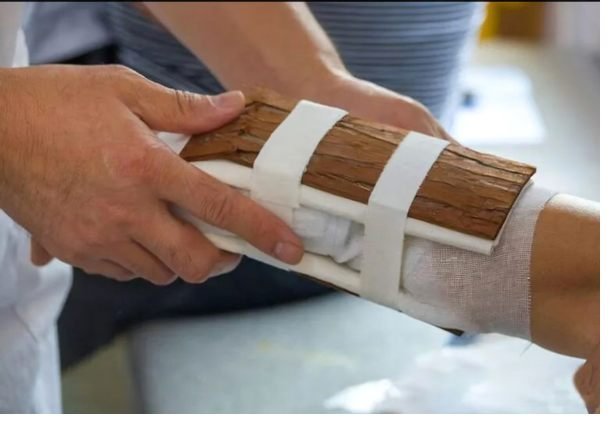
Treatment methods in traumatology
Treatment in traumatology begins with a correct diagnosis: identifying the site of the lesion and the underlying cause. Spinal and bone-setting manipulation techniques are then used to correct joint misalignment at the affected site, while tui-na and soft-tissue (li-jin) techniques relieve states of muscle tension and spasm, thereby achieving pain relief. Treatment methods include musculoskeletal repositioning and tui-na, acupuncture, herbal fumigation and washing, and internal and external/topical medicines.
- Musculoskeletal repositioning & tui-na: traditional repositioning and tui-na applies specific hands-on techniques to the meridians, acupoints or particular areas on the surface of the body, which can relieve musculoskeletal aches and soreness and dispel fatigue.
- Acupuncture: needling of acupoints can address injury of the corresponding organs (zang-fu) and meridians; where the condition requires, electro-acupuncture or moxibustion (moxa) may also be used to help enhance the therapeutic effect.
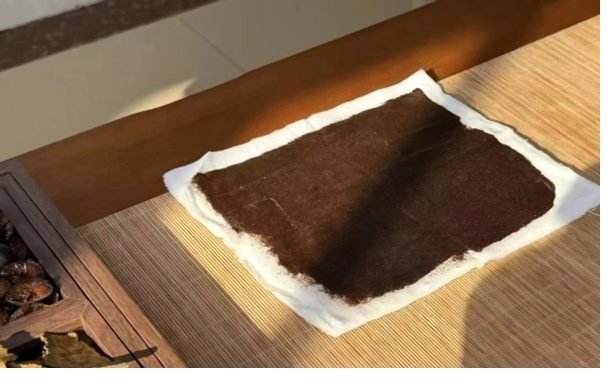
- Medicines: the practitioner will prescribe relevant internal or external/topical applied medicines according to the patient’s condition.
Effects
- Relax the tendons and activate the channels, and release adhesions.
- Promote blood circulation and resolve stasis, reduce swelling and relieve pain.
Indications
The treatment scope of traumatology is very broad and can be divided into tendon injury, bone injury and bone disease:
- Tendon injury (shang-jin): refers to injury or aching of the body’s soft tissues such as ligaments, muscles and tendons.
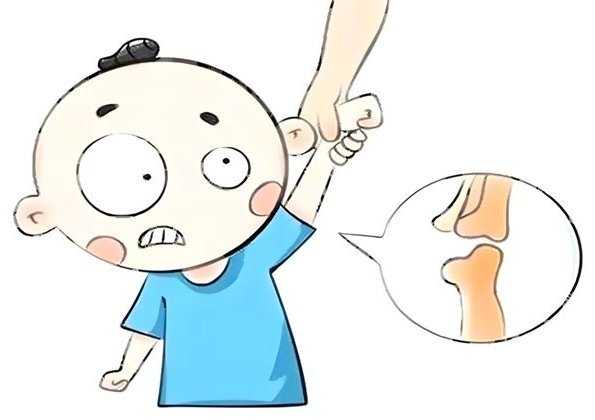
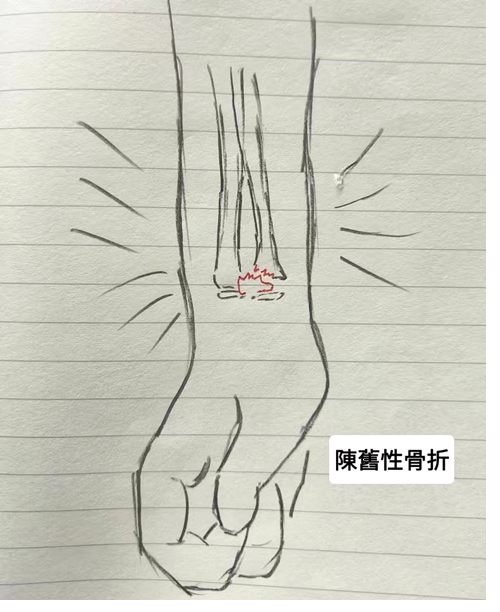
- Bone injury (shang-gu): refers to fractures, fracture sequelae, dislocation and joint subluxation, and the like.
- Bone disease (gu-bing): refers to diseases related to the growth, development and metabolism of the body’s bones and joints, such as osteoporosis, degenerative arthritis and scoliosis.
Treatment scope of traumatology
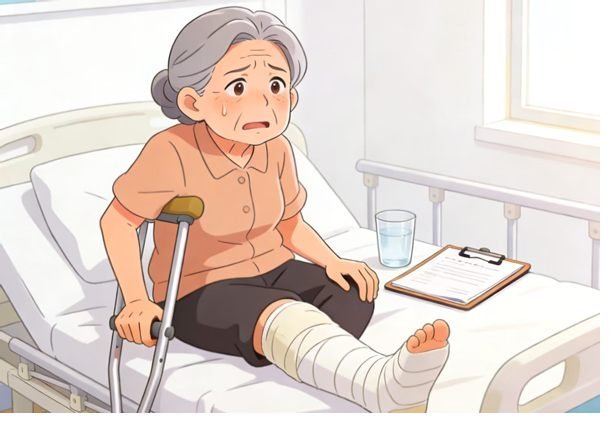
Fractures and dislocations
- Fractures of all kinds (upper limb, lower limb, spine, pelvis)
- Joint dislocations (shoulder joint, elbow joint, hip joint, etc.)
- Old fractures and non-union of fractures
Neck, shoulder, back and leg pain (most common)
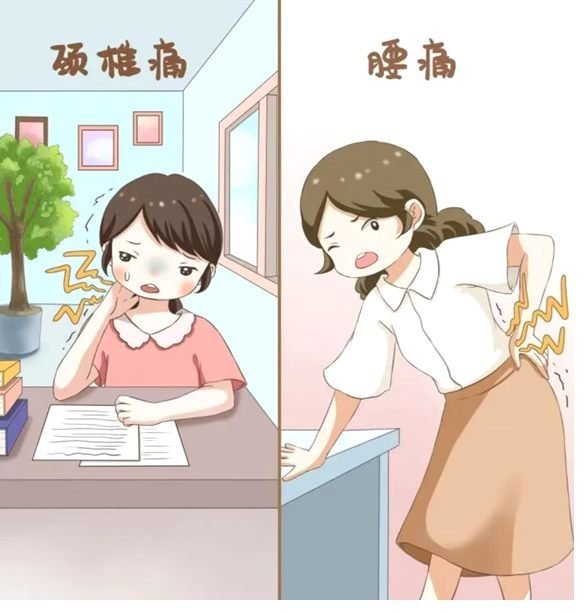
- Cervical spondylosis: neck pain, dizziness, numbness of the arms
- Lumbar disc herniation: low back pain, numbness of the legs, difficulty walking, sciatica
- Frozen shoulder (periarthritis of the shoulder): shoulder pain, restricted movement
- Knee arthritis: knee joint pain, swelling, difficulty going up and down stairs
- Heel pain syndrome: pain in the heel, worse on rising in the morning
Joint diseases
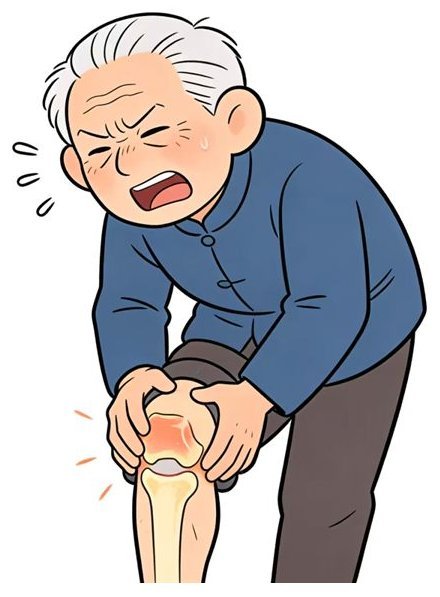
- Osteoarthritis (knee joint, hip joint)
- Rheumatoid arthritis
- Gouty arthritis
- Avascular necrosis of the femoral head
- Synovitis
Spinal diseases
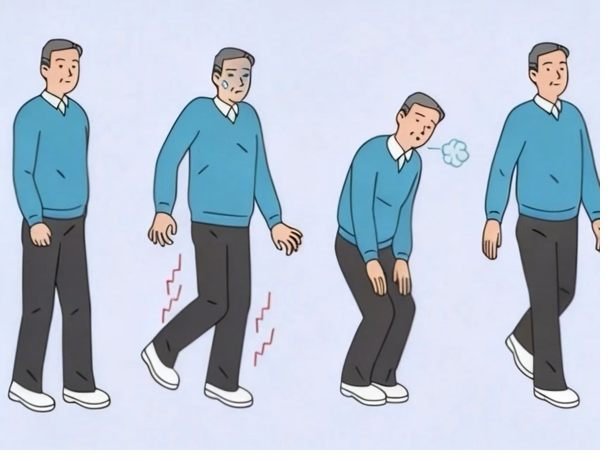
- Lumbar spinal stenosis
- Lumbar spondylolisthesis
- Scoliosis
- Osteoporotic vertebral compression fractures
Soft-tissue injuries
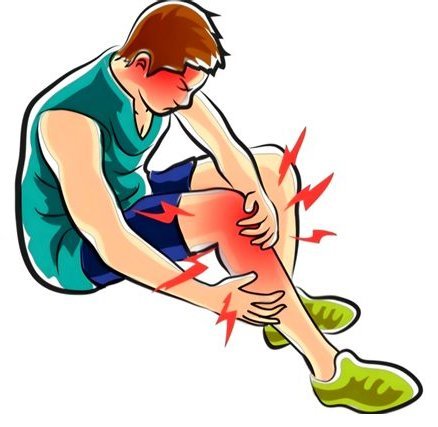
- Muscle strains and ligament sprains
- Tendonitis (tennis elbow, golfer’s elbow)
- Tenosynovitis (de Quervain’s, “mother’s hand”)
- Bone spur formation
- Fasciitis
Sports injuries
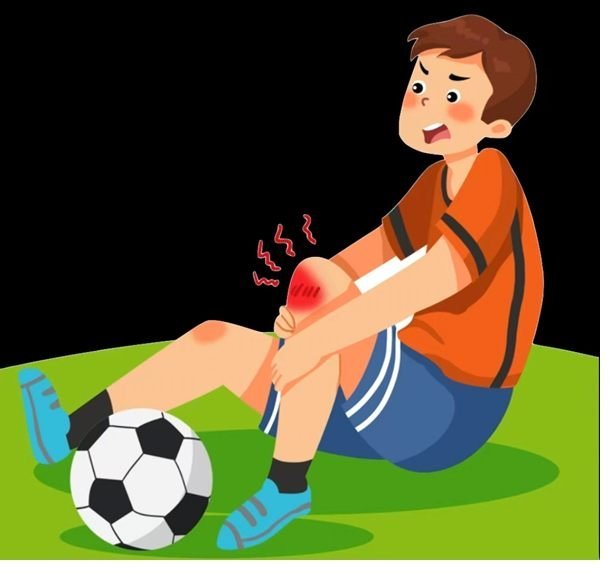
- Runner’s knee, jumper’s knee
- Ankle joint sprain
- Rotator cuff injury
Internal injury (nei-shang)
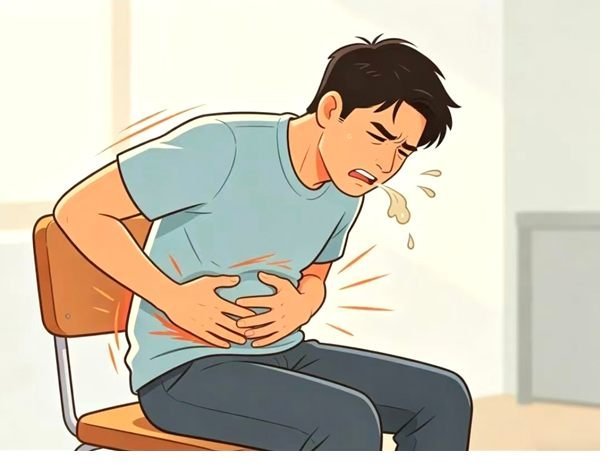
Conditions caused by dysfunction of the internal organs (zang-fu), internal-injury blood-stasis pain, and disharmony of qi and blood.
Therapeutic results vary from person to person; please consult a registered Chinese medicine practitioner.
Wondering if this treatment suits you? Get in touch to enquire.