Herbal Therapy
Decoctions and patent herbs with dietary therapy, tailored to your constitution.
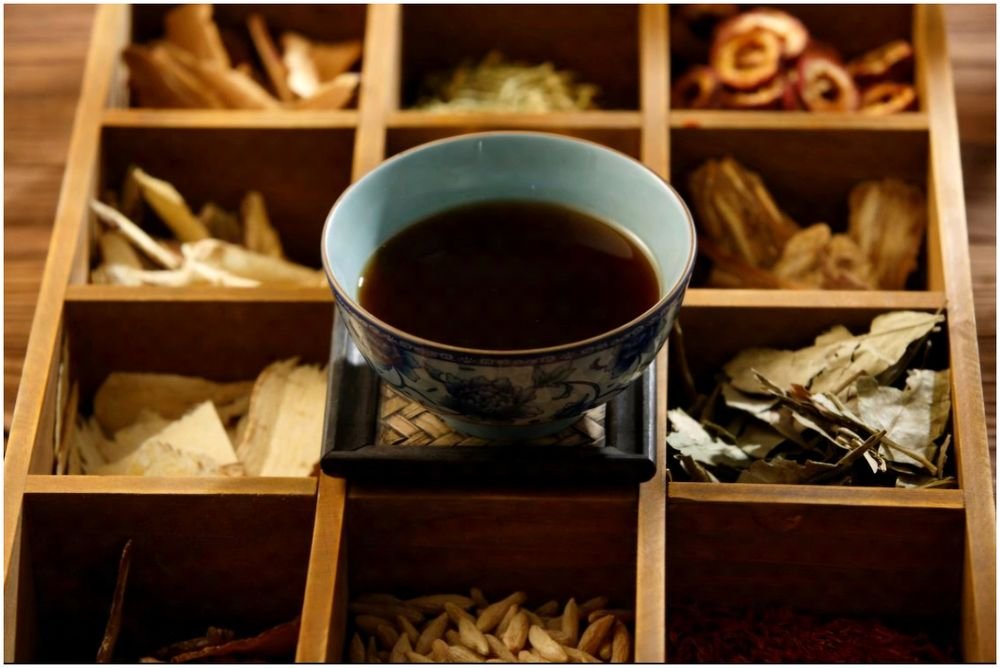
TCM offers a rich array of conditioning methods, whose core principle is “in acute cases treat the manifestation (the symptom); when stable treat the root (the underlying cause).” Beyond the herbal medicine we commonly think of, there are also many non-drug therapies (external treatments) and lifestyle interventions. Below are the most common and practical categories of TCM conditioning.
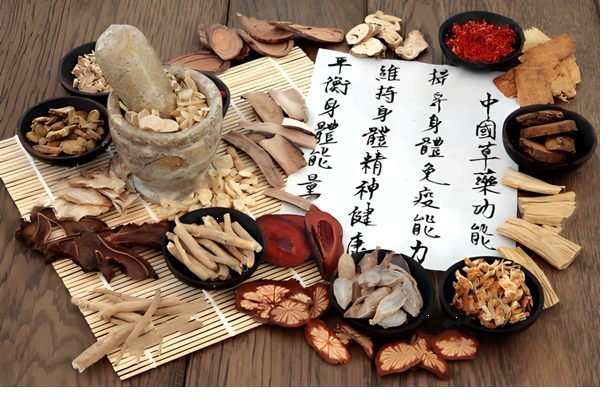
1. Herbal medicine (taken internally)
This is the most traditional form of treatment, correcting the body’s imbalances through the four natures of herbs (cold, hot, warm, cool) and the five flavours (sour, bitter, sweet, pungent, salty).
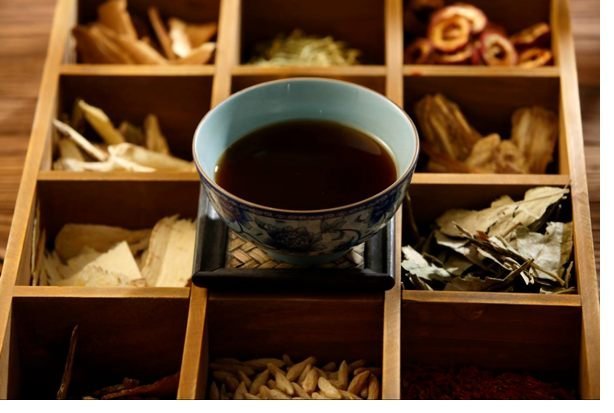
- Decoctions (tang ji): “tailor-made” by the practitioner according to the individual’s constitution, with flexible adjustment of ingredients, rapid absorption and strong effect; suited to more complex conditions that require rapid adjustment.
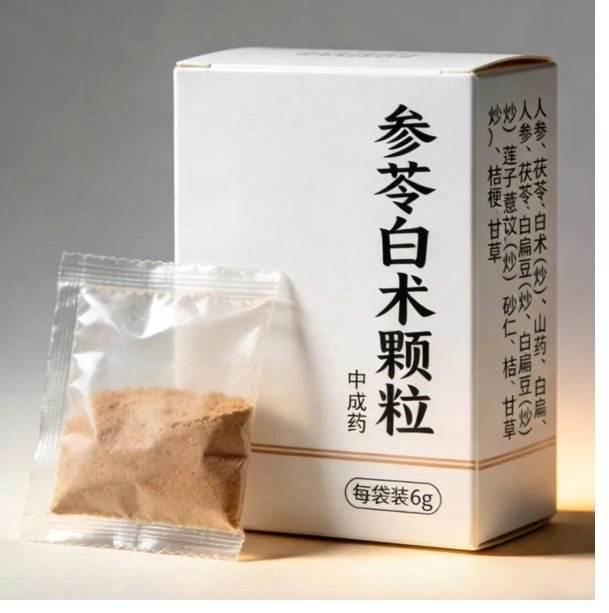
- Patent herbs (zhong cheng yao): herbs prepared as pills, powders, pastes and pellets, convenient to take and easy to carry; suited to relatively stable chronic conditions with typical patterns (such as Liuwei Dihuang Wan, Xiaoyao Wan, etc.).
2. Meridian external therapies (non-drug)
TCM holds that the body has meridians (channels) and acupoints, and that stimulating these areas can unblock the flow of qi and blood. This is currently the public’s most popular approach to wellness.
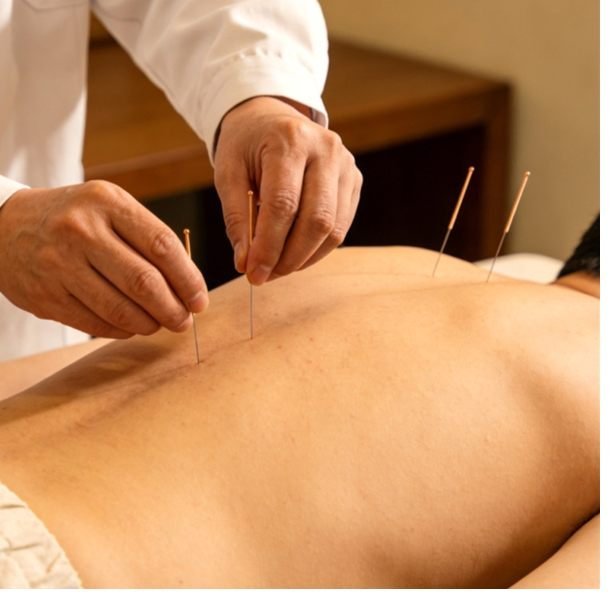
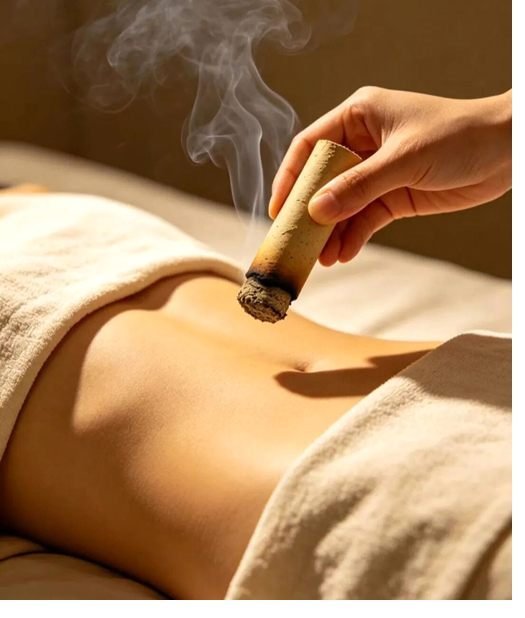
- Acupuncture and moxibustion: needling uses fine filiform needles to stimulate acupoints, suited to relieving pain and regulating endocrine and nervous-system disorders; moxibustion (moxa, ai jiu) uses the warming stimulation produced by burning mugwort (ai cao) on acupoints, particularly suited to cold-deficient constitutions (aversion to cold, cold hands and feet, painful menstruation), with the action of warming the channels and dispelling cold, supporting yang and consolidating against collapse.
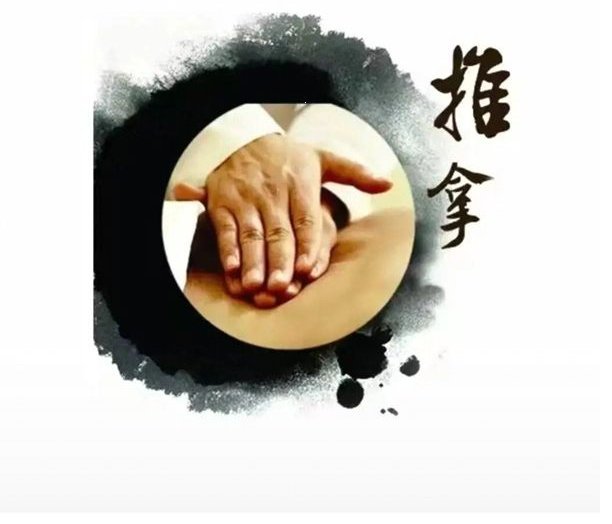
- Tui-na massage: relaxing the muscles and unblocking the meridians through techniques such as pushing (tui), grasping (na), pressing (an), rubbing (mo), kneading (rou) and pinching (nie); suited to neck, shoulder, lower-back and leg pain, indigestion, insomnia and the like.
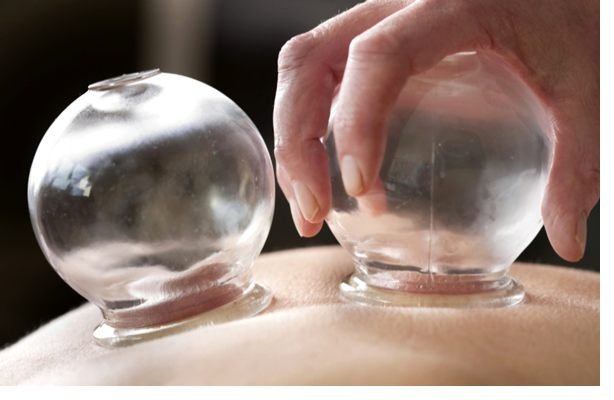
- Cupping: using negative pressure to draw on the skin, producing local congestion or stasis, with the effect of dispelling damp and toxins and moving qi and blood; suited to people with heavy internal dampness, who have been exposed to cold, or who have aching muscles.
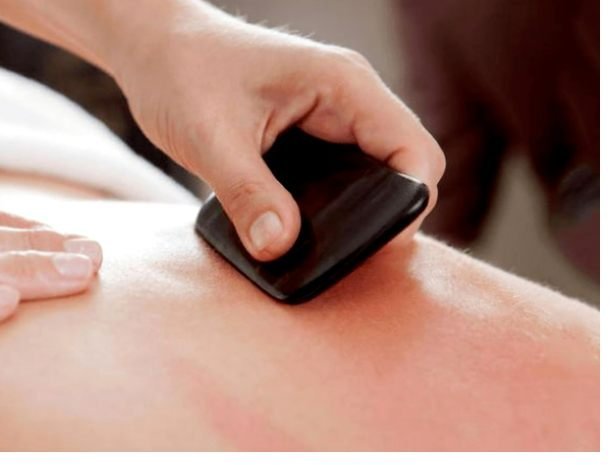
- Gua sha (scraping): using a gua sha board to scrape the skin’s surface until “sha” appears (red or purple petechiae/bruising), with the effect of clearing heat and releasing the exterior and invigorating blood to resolve stasis; commonly used for the early stage of a cold, heat stroke, sore and swollen throat, or stiff muscles.
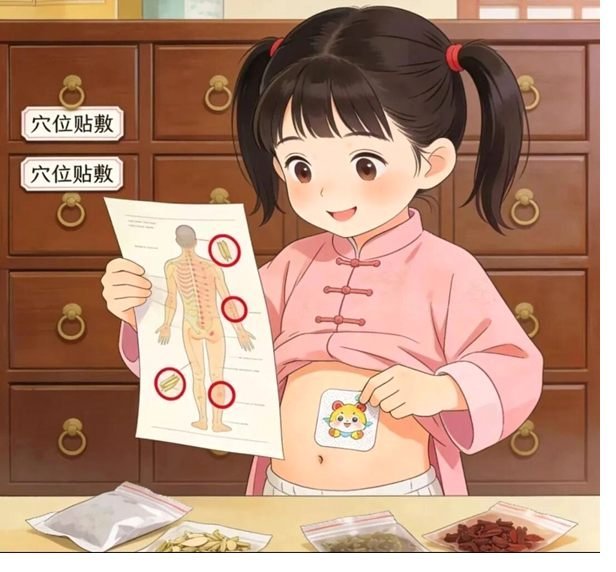
- Acupoint plasters (e.g. sanfu plasters): herbs prepared as a paste and applied to specific acupoints; suited to respiratory conditions (asthma, chronic bronchitis), allergic rhinitis, joint pain and the like.
3. Dietary conditioning (food therapy)
“Food and medicine share the same source” is a major feature of TCM, which emphasises conditioning the constitution through everyday diet.
- Eating according to pattern: for cold patterns (aversion to cold), eat more warming foods (fresh ginger, lamb, leek/Chinese chives, pepper); for heat patterns (dry mouth, bitter taste), eat more cold and cooling, heat-clearing foods (mung bean, bitter melon, pear, watermelon); for deficiency patterns, select tonics according to whether it is qi deficiency, blood deficiency, yin deficiency or yang deficiency, using astragalus (huang qi), red dates (hong zao), tremella/snow fungus (yin er), Chinese yam (shan yao) and the like.
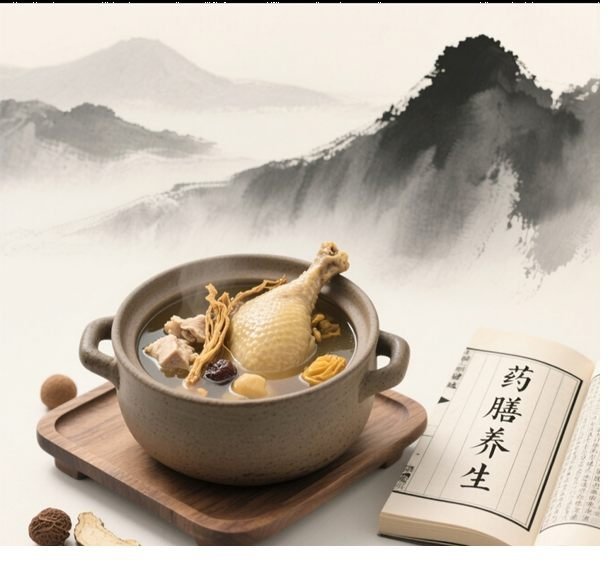
- Medicinal cuisine (yao shan): adding suitable herbs while cooking (such as angelica (dang gui) stewed chicken, or astragalus (huang qi) stewed duck), which is both tasty and has a conditioning effect.
4. Emotional and exercise conditioning
TCM holds that the “seven emotions” (joy, anger, worry, pensiveness, grief, fear, fright) and the balance of “exertion and rest” all affect the functioning of the internal organs.
- Emotional regulation: TCM holds that “anger harms the Liver” and “overthinking harms the Spleen,” so conditioning must treat not only the body but also the mind. Practitioners often offer psychological guidance and advise patients to keep a relaxed and cheerful frame of mind.
- Traditional exercises: practices such as tai chi (taijiquan), baduanjin (the eight pieces of brocade) and wuqinxi (the five-animal frolics) emphasise the unity of “regulating the body, regulating the breath and regulating the mind.” They can strengthen the constitution and regulate the circulation of qi and blood, and are particularly suited to middle-aged and older people and those with chronic conditions.
5. Other specialised therapies
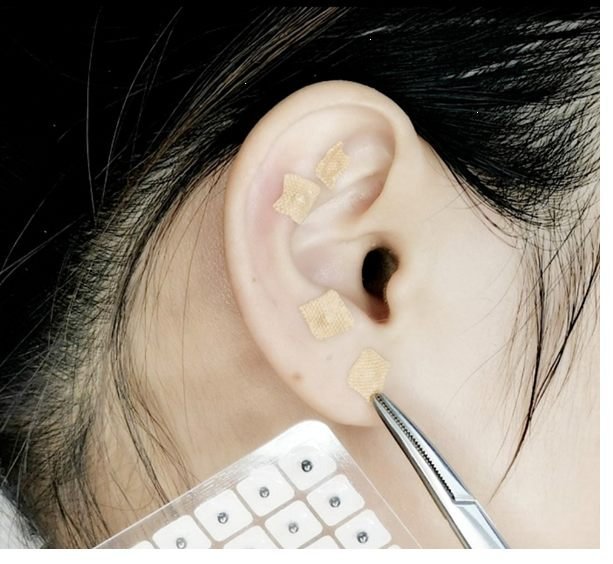
- Ear-seed pressure (auricular acupressure): the ear resembles an inverted foetus, with points corresponding to the whole body distributed over it. Pressing seeds of Vaccaria (wang bu liu xing) onto points on the ear can help with insomnia, weight management, pain relief and the like.
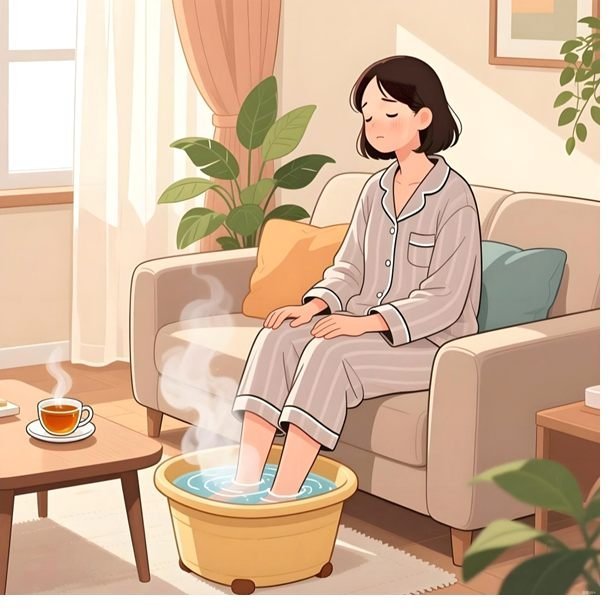
- Foot soaks (foot bathing): as the saying goes, “cold enters from the feet.” Soaking the feet in hot water before sleep, or adding mugwort leaf (ai ye), fresh ginger, Sichuan pepper (hua jiao) and the like, can guide the fire back to its source, improve sleep, and dispel cold and keep one warm.
The methods above should be selected according to each person’s constitution and condition by pattern differentiation; please consult a registered Chinese medicine practitioner. Results vary from person to person.
Wondering if this treatment suits you? Get in touch to enquire.