Craniosacral Therapy for Sleep & Mood
Gentle craniosacral work to restore rhythm and ease insomnia, anxiety and low mood.
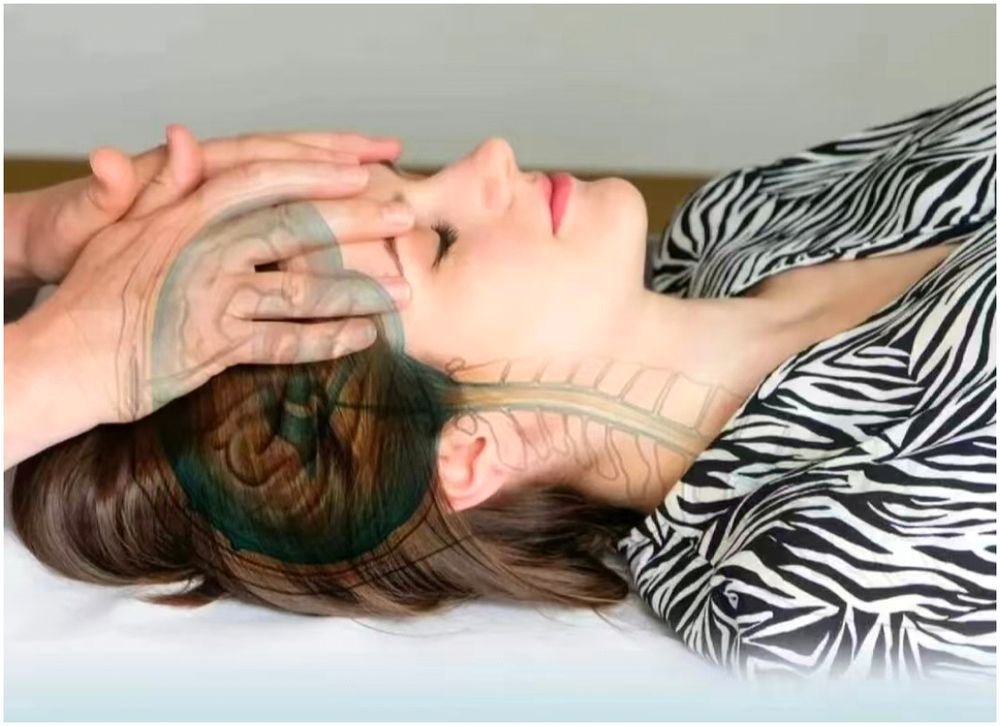
Insomnia is more than simply “not being able to sleep”
Persistent insomnia can bring on daytime fatigue, scattered concentration, loss of emotional control, and even a broad decline in immune function. More worrying still, about 50% of insomnia is rooted in psychological stress — far higher than disease-related causes (around 20%) — and it readily forms a vicious cycle in which anxiety worsens insomnia and insomnia deepens anxiety.

The limitations of conventional therapies
Modern treatment of insomnia mainly relies on medication, psychological and behavioural therapy, physical therapy, and traditional Chinese medicine. While these conventional approaches can relieve the symptoms of insomnia, their drawbacks are becoming increasingly apparent:
- Medication: long-term use of sleeping pills requires ever-increasing doses, and stopping the drug readily brings on rebound insomnia and withdrawal reactions.
- Psychological and behavioural therapy (such as CBT-I): treatment takes a long time and adherence is low, requiring 6-8 weeks of sustained intervention. It places high demands on the patient’s self-discipline, with a high rate of dropping out partway through; and it has limited effect on insomnia caused by organic conditions (such as anxiety disorders or respiratory disturbances).
- Physical therapy (such as electroconvulsive therapy): used mainly for short-term symptom relief, it may trigger discomforts such as nausea and loss of appetite, and its effects are hard to sustain.
- Traditional Chinese medicine: the threshold for pattern differentiation (bian zheng) is high and outcomes are strongly influenced by individual constitution. While taking herbal medicine, results can be disrupted by factors such as diet, staying up late, and stress, making the effect unstable. If acupuncture or moxibustion is applied with overly strong technique or with misplaced point selection, it may stimulate sympathetic nervous excitation and provoke a temporary worsening of insomnia.
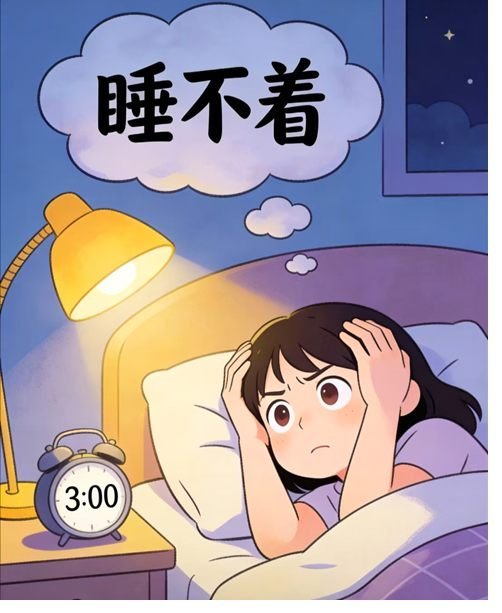
As the drawbacks of conventional therapies become evident, more and more people are seeking gentle, non-drug approaches. Among the many options, a therapy that adjusts the craniosacral rhythm through manual technique — Craniosacral Therapy (CST) — is steadily coming into the public eye.
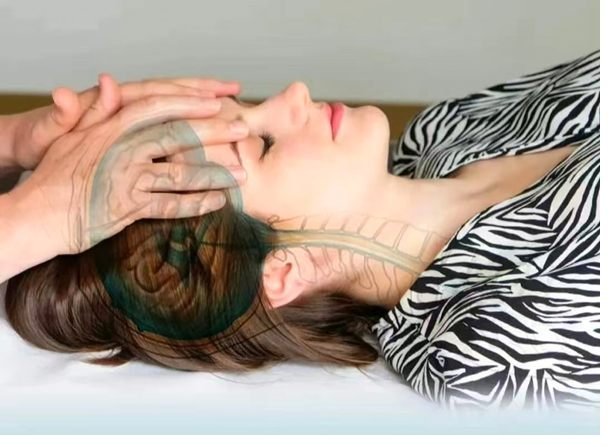
What is Craniosacral Therapy (CST)?
Craniosacral Therapy is a non-invasive, hands-on palpation technique that originated in American osteopathic medicine. Its core theory is built on the physiological basis of the craniosacral system — a system formed by the cranial bones, the spine, the sacrum, and the surrounding meningeal system, filled with continuously produced and circulating cerebrospinal fluid (CSF). Using extremely gentle technique (a pressure of only about 5 grams), the craniosacral therapist adjusts the fascial tension between the cranium and the sacrum to restore the natural rhythm of CSF flow. Craniosacral Therapy works principally by releasing cranial suture restrictions and meningeal restrictions, re-establishing the rhythm of the cerebrospinal fluid so that abnormal craniosacral pulsations return to normal.
The relationship between cerebrospinal fluid and sleep
Each day the human brain produces about 500 ml of cerebrospinal fluid, of which 100-160 ml continuously circulates through the ventricles and the spinal canal, playing a key role during sleep. This fluid flows through the central nervous system with a rhythmic pulsation of 6-12 beats per minute (the craniosacral pulse), carrying out essential physiological functions: nourishing brain cells and removing metabolic waste (such as beta-amyloid protein), maintaining stable intracranial pressure, and influencing autonomic balance through changes in meningeal tension.
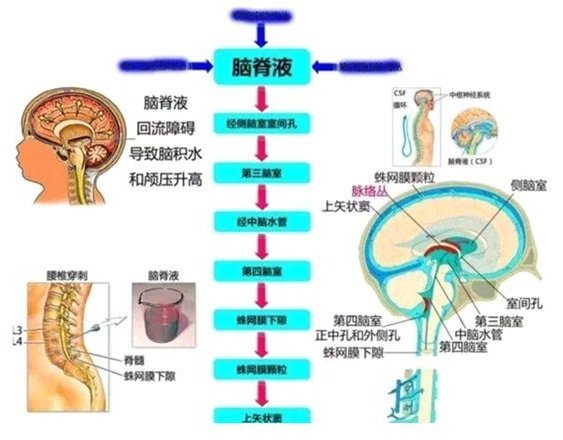
Modern medicine has found that cerebrospinal fluid is not only the brain’s “shock-absorbing fluid” but also an important system for clearing metabolic waste. During sleep, the flow rate of CSF speeds up, efficiently clearing neurotoxins such as beta-amyloid protein. When the craniosacral system develops a disturbance of rhythm through stress, trauma, or abnormal posture, this “self-cleaning” process is impeded, metabolic waste accumulates, and this directly affects the regulation of the sleep-wake cycle and impairs sleep quality.
Research shows that the craniosacral rhythm of people with insomnia is often below 6 beats per minute, leading to the accumulation of metabolic waste and an imbalance of neural excitability. The hands of a craniosacral therapist, through specialised training, can sense the normal craniosacral pulse; when the rhythm is abnormal, the therapist places their hands on areas such as the patient’s skull and sacrum, using specific techniques to release tension in the meningeal system and restart the brain’s “self-cleaning” programme.
The advantages of Craniosacral Therapy
Compared with other conventional therapies, Craniosacral Therapy has distinctive advantages:
- Through gentle manual technique it regulates the rhythm of the craniosacral system, helping to restore cerebrospinal fluid circulation and autonomic balance from the root, rather than temporarily suppressing symptoms.
- Clinical observation suggests it can help to improve sleep quality, reduce reliance on sleeping pills, and ease co-existing anxiety at the same time.
- It moves beyond the limitation of “treating the head only when the head aches”, regulating on multiple levels — fascial tension, cerebrospinal fluid dynamics, and neuroendocrine function — so that while improving sleep it may also help to improve other symptoms, with effects that tend to be more lasting.
- The process is gentle, with no drug-related memory impairment or risk of addiction, making it especially suitable for those who are resistant to medication, for pregnant and post-partum women, and for children — embodying the holistic value of regulation within a “bio-psycho-social” model of medicine.
Who it suits
- Those who are sensitive to medication or unwilling to use drug-based intervention
- Hormone-related sleep disorders such as post-partum insomnia and menopausal insomnia
- Co-morbid insomnia accompanied by anxiety or irritable bowel syndrome
- Developmental sleep disorders in children
Results vary from person to person. If you are currently under psychiatric care, please assess any changes together with your treating physician, and never stop your medication on your own.
Wondering if this treatment suits you? Get in touch to enquire.