Manual Therapy
Hands-on assessment and treatment of joints, muscles and nerves to relieve pain and restore mobility.
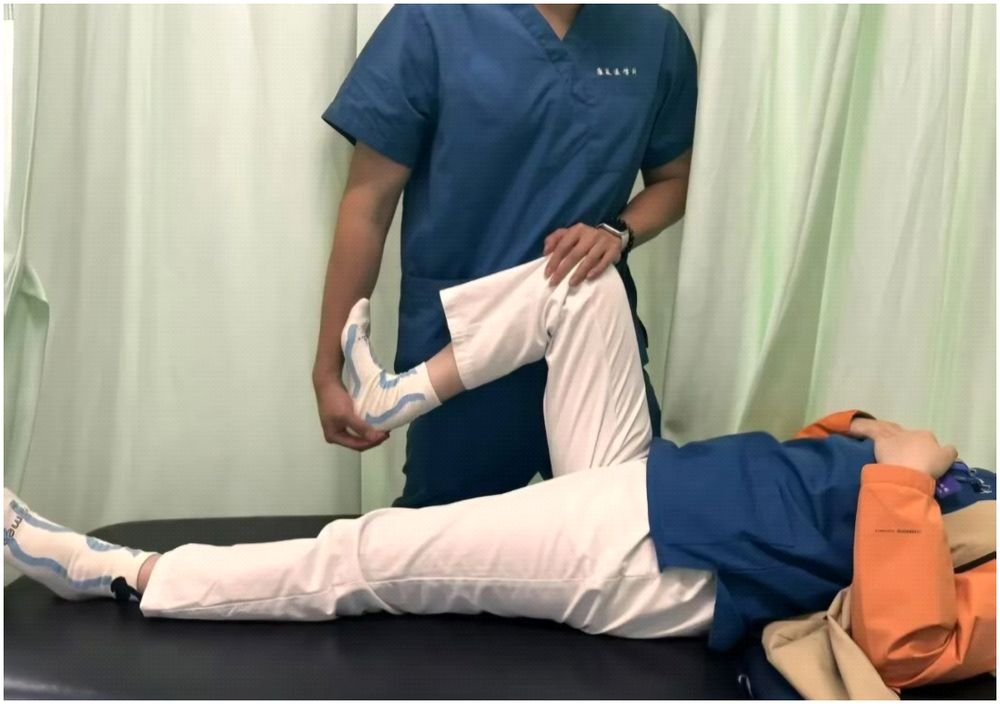
What is manual therapy?
Manual therapy is a physiotherapy specialty in which the therapist uses their hands and specific techniques to assess and treat the body’s joints, muscles and nervous system. The aim of this approach is to relieve pain, improve joint mobility, restore normal function and address a range of problems related to the musculoskeletal system.
Tissues addressed by the treatment techniques
- Muscle: fascia, muscle belly, tendons, bony attachments
- Joint: articular cartilage, joint capsule and ligaments
- Nerve: nerve roots, the long peripheral nerves of the limbs, the spinal dura mater
- Intervertebral disc: disc herniation, disc prolapse, discitis
Indications for manual therapy
Spine
- Pain associated with disc disease (disc injury, herniation and bulging).
- Radiating limb pain associated with compression and irritation of a nerve root (so-called “radiculitis”).
- Pain caused by degenerative disease of the facet joints (osteoarthritis), as well as pain caused by increased muscle tension.
- Stiffness caused by contracture or locking of the facet joints and the sacroiliac joint, as well as cervicogenic headache.
- Benign paroxysmal positional vertigo (BPPV).
Limbs
- Pain caused by injury to muscles, tendons and their bony attachments.
- Pain caused by degenerative joint disease (osteoarthritis), such as in the knee, hip and shoulder.
- Preparation for planned surgery (for example joint replacement / joint prosthesis), as well as post-operative recovery.
- Post-traumatic and post-orthopaedic-surgery conditions affecting bones, joints, ligaments and muscles.
- Joint stiffness caused by immobilisation (a cast) or degeneration.
- Muscle shortening or increased tension, leading to postural changes and overloading other tissues.
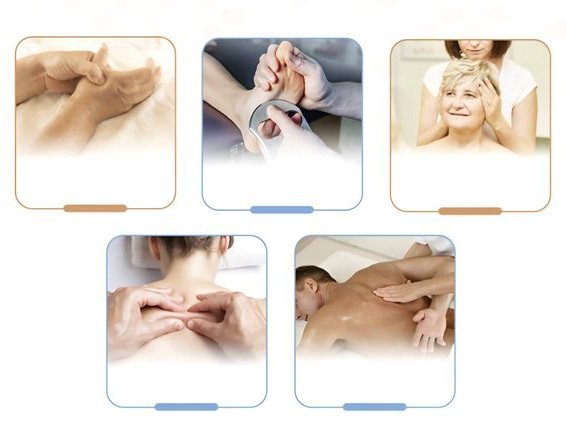
Goals of manual therapy
- Improve soft-tissue adhesions
- Relieve tight muscle fascia
- Soften scar tissue
- Reduce joint stiffness and pain
- Improve joint range of motion
- Reduce oedema
It is dedicated to treating various pain conditions, such as sciatica, disc herniation, sports injuries, rounded shoulders (hunchback posture), frozen shoulder, tennis elbow, arthritis, low-back, neck and back pain, bone spurs and repetitive strain.
Cases suitable for physiotherapy
Musculoskeletal pain
- Neck and lower-back pain
- Frozen shoulder, periarthritis of the shoulder
- Tennis elbow, golfer’s elbow
- Knee degeneration
- Carpal tunnel syndrome
- Trigger finger
- Stenosing tenosynovitis (de Quervain’s, “mother’s hand”)
- Arthritis, rheumatoid arthritis
Sports injuries and trauma
- Various sprains and strains
- Cartilage and ligament injuries
- Plantar fasciitis
- Scoliosis
- Disc herniation
Rehabilitation for stroke and neurological disorders
- Stroke, hemiplegia
- Numbness and pain in the hands and feet
- Headache, dizziness
- Carpal tunnel syndrome
- Facial palsy
Techniques commonly used in musculoskeletal rehabilitation physiotherapy
Joint mobility techniques
The aim of joint mobility techniques is to increase or maintain the range of joint motion and improve the movement capacity of the limbs. The methods include: (1) active movement; (2) active-assisted movement; (3) passive movement. Continuous passive motion is a training method that uses a dedicated device to put the joint through prolonged, slow passive movement; before training, parameters such as the range of joint motion, the speed of movement and the duration can be pre-set according to the patient’s condition.
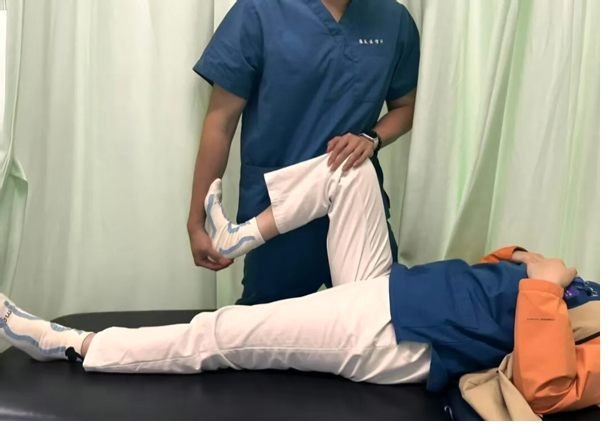
Its features: (1) compared with ordinary passive movement, it acts over a longer time while the movement is slow, stable, controllable and more safe and comfortable; (2) compared with active movement, continuous passive motion does not cause muscle fatigue and can be continued over a long period, while the load on the joint is small, so it can be applied early in cases of joint injury or inflammation without causing harm.
Soft-tissue stretching techniques
Stretching refers to a treatment method that lengthens contracted or shortened soft tissue. Its main purposes are to improve or regain the extensibility of the soft tissue around a joint, reduce muscle tone, increase or restore the range of joint motion, prevent irreversible tissue contracture, and prevent or reduce injury to muscles and tendons during activity or exercise. According to the source of the stretching force, the method of stretching and the duration, it can be divided into three types: manual stretching, mechanical (apparatus-assisted) stretching and self-stretching.
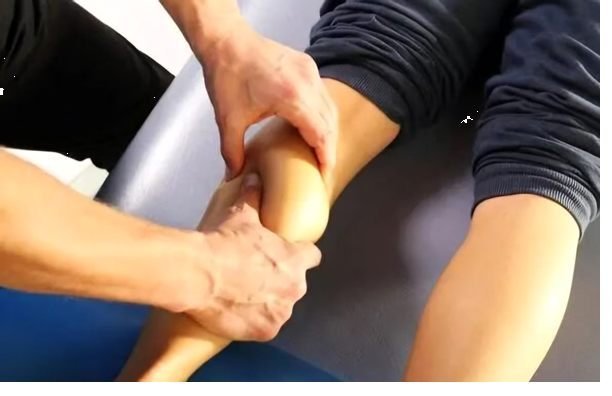
Muscle-strengthening techniques
Muscle strengthening is based on the principle of overload and improves or increases muscle strength through active muscle contraction. The methods include non-resistance exercise and resistance exercise: non-resistance exercise includes active movement and active-assisted movement; resistance exercise includes isotonic (concentric, eccentric), isometric and isokinetic resistance exercise.
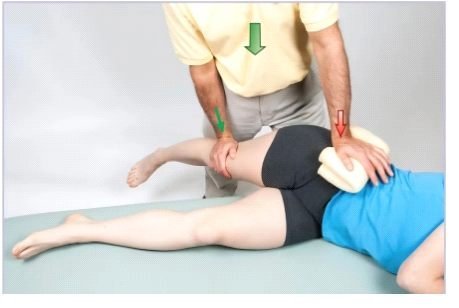
Joint mobilisation techniques
- Apply gentle oscillating or gliding pressure around the joint.
- Select different techniques according to the range of joint motion.
Application: used to improve joint range of motion and relieve joint stiffness.
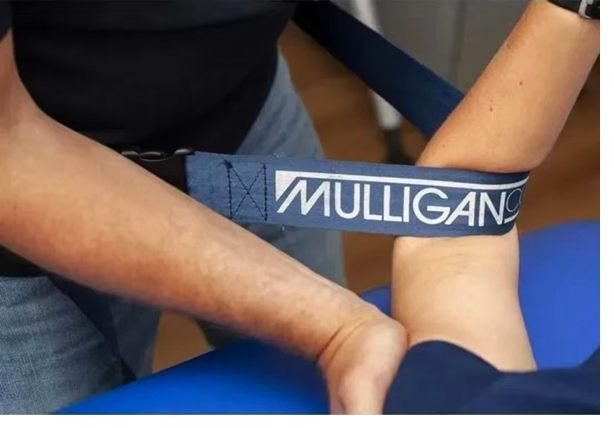
The Mulligan concept of manual therapy, also known as joint mobilisation, is a manual procedure performed by the therapist within the patient’s allowable range of joint motion. It is commonly used clinically to treat joint dysfunction caused by conditions such as pain, restricted movement and joint stiffness; it is highly targeted, fast-acting, causes little discomfort to the patient, is well tolerated and is easy to apply.
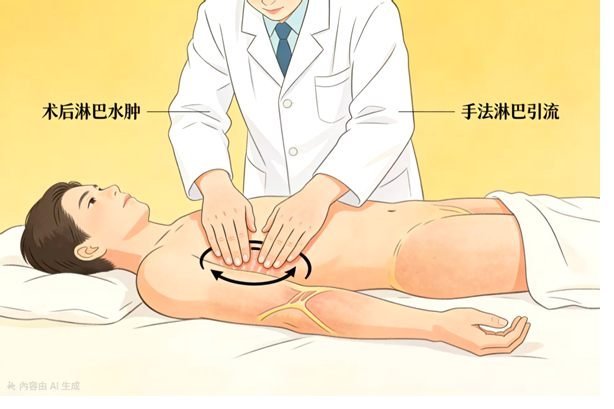
Lymphatic drainage
- Use gentle techniques to massage along the direction of lymphatic flow.
- Focus the work on lymph-node regions (such as the axilla and the groin).
Application: used to reduce oedema and promote lymphatic circulation.
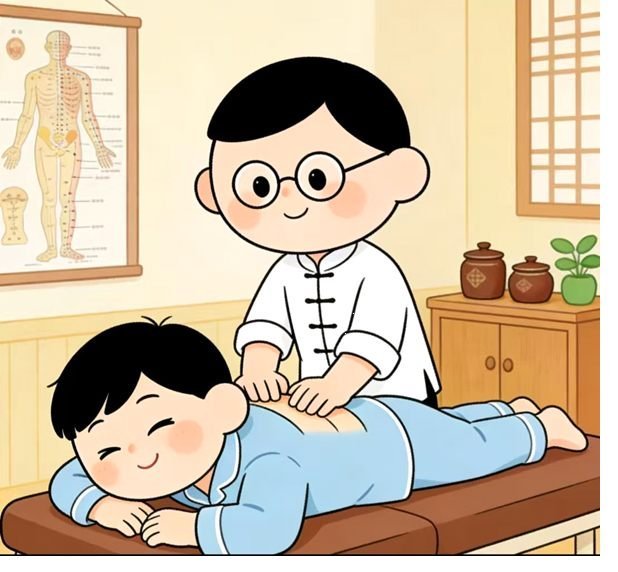
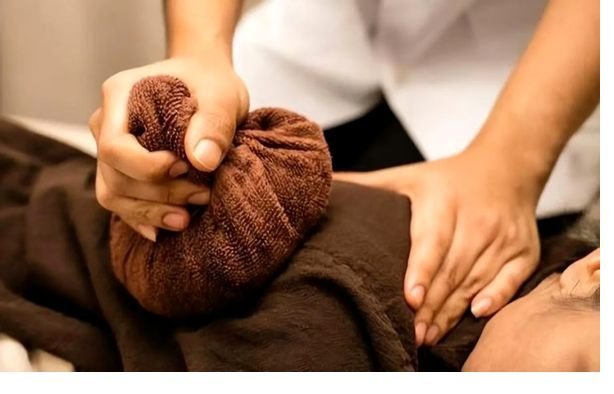
Tui-na techniques
Tui-na is a form of traditional Chinese medicine in which manual techniques are applied to specific areas on the body’s surface to prevent and treat disease. The Suwen, “Treatise on Pain” (Su Wen, Ju Tong Lun) states: “When pressure is applied, warm qi arrives; when warm qi arrives, the pain ceases.” Traditional Chinese medicine holds that manual tui-na has the effects of moving qi and activating blood, dredging the channels and unblocking the collaterals, and relieving spasm and pain, and it has a very marked effect in treating musculoskeletal disorders. The commonly used techniques include muscle-relaxing techniques and stretching techniques.
Acupuncture therapy
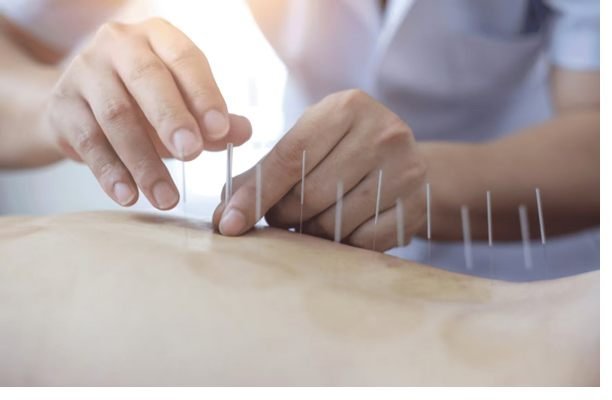
Acupuncture therapy, under the guidance of the basic theory of traditional Chinese medicine, stimulates the body’s acupoints (shu points) or specific areas through methods such as needling or moxibustion in order to dredge the channels and collaterals, harmonise qi and blood, balance yin and yang, and rehabilitate disorders of body and mind. It includes the traditional methods of acupuncture, moxibustion, cupping, dermal-needle (skin-needle) therapy and three-edged-needle therapy, as well as the more recently developed methods of electro-acupuncture, point-injection (aquapuncture), auricular acupuncture, scalp acupuncture and acupotomy (needle-knife). It is widely applied in musculoskeletal disorders, with marked efficacy. The effects of acupuncture fall into three areas: dredging the channels and collaterals, harmonising yin and yang, and reinforcing the healthy qi while dispelling the pathogenic factors.
Traction techniques
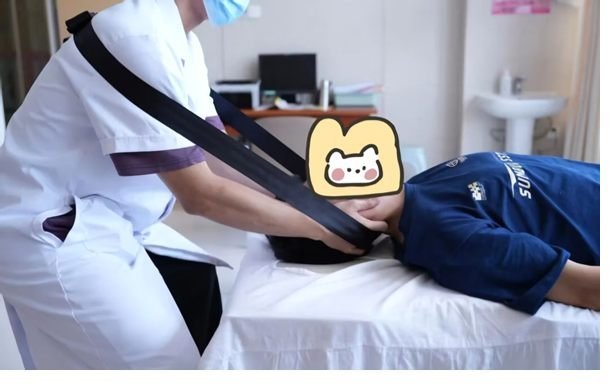
Traction is a physiotherapy method that applies the principle of action and reaction forces from mechanics: using a manual, mechanical or motorised traction device, a pulling force is applied to a part of the body or to a joint, so that the joint undergoes a degree of separation and the surrounding soft tissue receives appropriate stretching, thereby achieving reduction and fixation, relieving nerve-root compression and correcting joint deformity. By site, it is divided into spinal traction and limb-joint traction (spinal traction is further divided into cervical traction and lumbar traction); by power source, into manual traction, mechanical traction and motorised traction; by duration, into intermittent traction, continuous traction and rapid traction; and by body position, into seated traction, recumbent traction and upright traction.
Exercise therapy
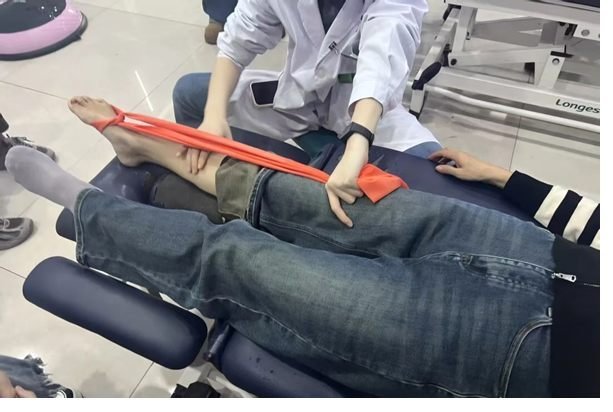
Exercise therapy is based on biomechanics and neurodevelopmental science. Using apparatus or the hands, and employing active and passive movement, it improves the blood circulation and metabolism of the moving tissues, promotes the recovery of neuromuscular motor function and sensory function, increases muscle strength, endurance, cardiopulmonary function and balance and coordination, corrects bodily deformities, improves bodily dysfunction and prevents or treats various clinical complications (such as pressure sores, muscle spasm, joint contracture and osteoporosis).
Electrotherapy
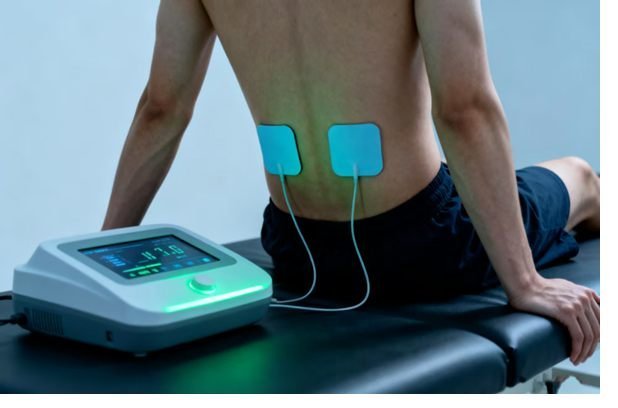
Electrotherapy is a method of treating disease using different types of electrical current and electromagnetic fields. By applying a specific current or electromagnetic field to the body’s tissues, it regulates the body’s physiological functions, promotes blood circulation, relieves pain and stimulates the nerves and muscles, thereby achieving the aims of treating disease and supporting rehabilitation and health.
Heat therapy
- Heat application can dilate the local blood vessels and speed up blood circulation, thereby accelerating the resolution of swelling and bruising and promoting recovery.
- Heat application can reduce the excitability of the pain-sensing nerves and ease pain.
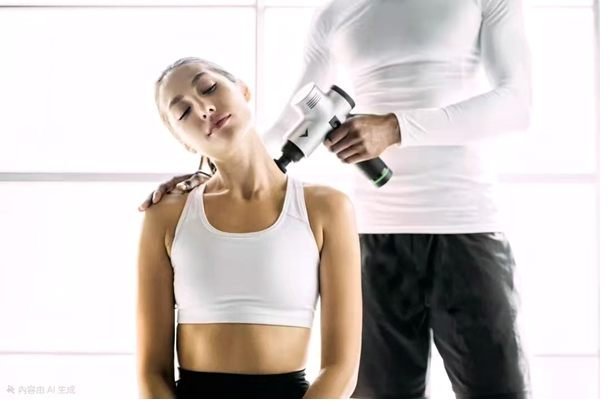
Percussion (massage) gun
- Promotes blood circulation: speeds up the clearance of metabolic by-products such as lactic acid, improves blood perfusion of the muscles and increases the efficiency of nutrient and oxygen supply, helping to reduce the muscle’s inflammatory response and shorten the recovery cycle.
- Relieves muscle soreness: through mechanical stimulation it modulates the muscle’s nerve pain receptors and lowers local tissue tension, which can ease post-exercise muscle tightness and soreness while improving joint range of motion and bodily flexibility.
- Improves athletic performance: used appropriately before training, it can activate the muscles, increase agility and range of motion, and reduce the risk of sports injury; used after exercise, it can speed recovery and shorten the time spent fatigued.
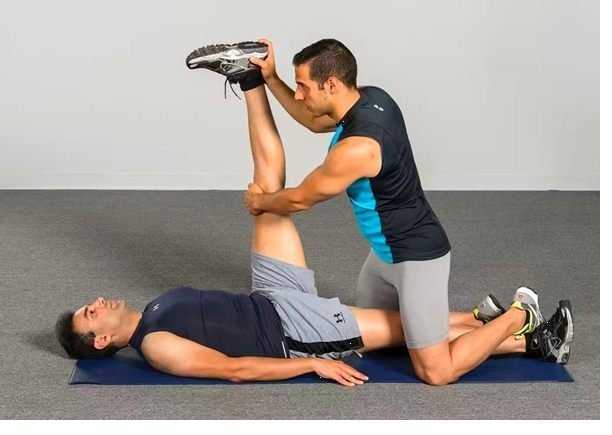
Stretching techniques
- Static stretching: slowly stretch the muscle to its maximum range and hold for 30-90 seconds.
- Dynamic stretching: gradually increase the range of joint motion through active movement to lengthen the soft tissue.
- PNF stretching (proprioceptive neuromuscular facilitation): combines muscle contraction and relaxation to enhance the stretching effect.
Application: used to increase muscle flexibility and improve joint range of motion.
Treatment draws on a range of rehabilitation techniques and theories according to the patient’s condition, to help the patient regain independent movement; results vary from person to person.
Wondering if this treatment suits you? Get in touch to enquire.