Long COVID
Strengthening the body and clearing pathogens to relieve fatigue, brain fog, breathlessness and insomnia.
What is Long COVID?
Long COVID is also known as the long-term symptoms of COVID-19. In patients with mild or ordinary illness, treatment tends to leave few lasting after-effects; whereas patients with severe or critical illness may, during recovery, be left with some after-effects to a greater or lesser degree, owing to issues such as multi-organ dysfunction and medication.
According to global research, the after-effects of COVID-19 include: weakness or fatigue, impaired thinking or inability to concentrate, breathlessness or difficulty breathing, headache, dizziness, a racing heartbeat, chest pain, cough, joint or muscle pain, depression or anxiety, fever, and loss of smell or taste. These symptoms may persist for weeks, months, or even longer.
Just how common is Long COVID?
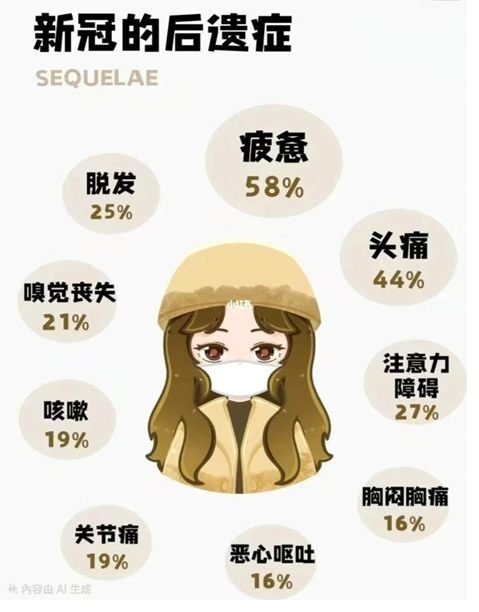
A study by the Harvard School of Public Health found that, among more than forty thousand recovered COVID-19 patients, most experienced after-effects to varying degrees; the most common were extreme fatigue (58%), headache (44%), attention disorders (27%), hair loss (25%) and breathing difficulties (24%). A recent study in Clinical Infectious Diseases found that nearly 19 million American adults have Long COVID; applying that same proportion together with the roughly 90% nationwide infection rate estimated by Feng Zijian, former deputy director of the Chinese CDC, at least 100 million adults in China are expected to develop Long COVID in the future. Numerous international studies have likewise noted that a considerable proportion of those who recover will develop “Long COVID” symptoms; research from the University of Groningen in the Netherlands further reported that roughly 1 in every 8 recovered COVID-19 patients develops Long COVID symptoms.
What are the potential impacts of Long COVID?
- Pulmonary fibrosis: In those with more severe infection, because the virus causes greater damage to the lungs, fibrous tissue proliferation may occur during recovery, potentially leaving pulmonary fibrosis after the illness has resolved.
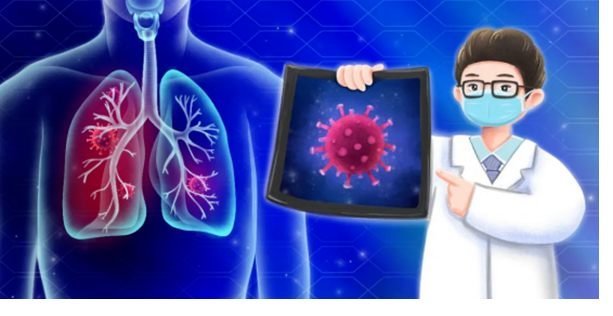
- Kidney impairment: The virus can affect the kidneys and cause acute kidney injury; in some patients this presents after recovery as chronic kidney damage that has not fully healed.
- Brain fog: The virus can make the body prone to fatigue and can affect the brain; some patients develop “brain fog” features such as reduced memory and poor concentration. Research shows that recovered patients, regardless of how mild or severe their illness was, may develop varying degrees of cognitive deficit, the severity of which is correlated with how serious the illness was.
- Increased cardiovascular and metabolic risk: Research shows that the prevalence of diabetes among recovered COVID-19 patients is markedly higher than among those never infected, and it may increase the risk of cardiovascular diseases such as myocarditis, coronary heart disease and stroke.
- Accelerated ageing and reduced resistance: Studies have found signs of accelerated genetic ageing and telomere attrition in those infected; taking large amounts of medication during treatment may also affect immunity, leading to reduced resistance.
The most common symptoms and the TCM approach to managing them
1. Fatigue and weakness (the most typical)
- Feeling especially tired even without having done anything, and unable to recover
- Becoming tired with the slightest activity, with rest providing no benefit
- Poor concentration and a foggy, muddled head (often called “brain fog”)
The COVID-19 virus most commonly injures the lungs, spleen and kidneys. The lungs govern all the blood vessels (the lungs face the hundred vessels); phlegm in the lungs impairs gas exchange, and the source of phlegm lies in the spleen — when the spleen’s transportation and transformation are disordered, the lungs become the vessel that stores phlegm, the spleen the source that generates phlegm, and the kidneys the root that retains dampness. Unless the qi dynamic of the triple burner (san jiao) is regulated and freed, the problem is very hard to resolve.
2. Breathing and chest problems
- Shortness of breath and a feeling of not being able to catch one’s breath, noticeable with even slight activity
- Chest oppression and discomfort in the chest
- Those with pre-existing asthma or chronic obstructive pulmonary disease (COPD) are more prone to worsening
Management should disperse the lungs and expel phlegm, while at the same time strengthening the spleen and resolving dampness; most people also have insufficient kidney yang, so it is appropriate to strengthen the spleen and warm the kidneys while dispersing the lungs and transforming phlegm. Once the bladder meridian has been freed and unblocked, many people will immediately feel their breathing become considerably easier.
3. Brain and neurological symptoms
- Poor memory, poor concentration, slowed responses
- Dizziness and headache
- Insomnia, poor sleep, excessive dreaming, waking easily
- Numbness and a pins-and-needles or tingling sensation in the hands and feet
This arises because the qi dynamic is obstructed: the clear yang fails to rise and the turbid yin fails to descend, and qi and blood are insufficient to reach the extremities — what Western medicine refers to as microcirculatory disturbance.
4. Heart and lung related
- Palpitations, a fast heartbeat, irregular heart rhythm
- Palpitations after exercise that take a long time to settle
The heart is like a person’s engine, the blood vessels are like the fuel lines and the meridians like the electrical circuits. COVID-19 belongs to the cold-damp epidemic category; cold predominates in causing stagnation and congelation, so when the fuel and electrical systems develop problems, the engine naturally fails to run properly.
5. Mood, sleep and other symptoms
- Anxiety, depression, low mood, a tendency to irritability and tension
- Long-standing insomnia, day-and-night reversal
- Stomach bloating, acid reflux, poor appetite
- Diarrhoea or unformed stools
- Cough (predominantly a dry cough, lasting a long time)
- Altered or diminished smell and taste
- Joint pain and muscle aches
- Increased hair loss
These problems are mostly caused by dysfunction of the five zang and six fu organs. The liver governs free coursing (regulating the flow of qi), the spleen governs transportation and transformation, the lungs govern the skin and body hair, the kidneys regulate the water passages, and the heart houses the spirit (governs the mind) — when so many symptoms appear at once, the way to manage them is first to “let the sunlight in”: open the channels of the qi dynamic, regulate the Ren (Conception) and Du (Governing) vessels and the bladder meridian, “lift the lid to pour from the pot” (raise obstruction so qi can flow), free and unblock accumulated stagnation, strengthen and invigorate the spleen earth, clear the body’s metabolic waste, and ensure that what should be expelled is expelled and what should be taken in is taken in. The reason a formula such as Wendan Tang (Warm the Gallbladder Decoction) can treat many different conditions is precisely that it opens the pivot of the qi dynamic.
Faced with these after-effects, what can we do?
Clinical experience finds that those who are habitually weak in constitution are a high-risk group for after-effects. TCM treatment emphasises using both “strengthening the healthy” (fu zheng) and “expelling the pathogenic” (qu xie) together:
- Strengthening the healthy (fu zheng): supporting healthy qi so that qi and blood are abundant and yin and yang are in harmony, enhancing the body’s ability to resist disease and reducing and preventing the chance of re-infection.
- Expelling the pathogenic (qu xie): removing the various disease-causing pathogenic factors within the body, such as the six excesses (liu yin), the internal injury of the seven emotions, blood stasis, and water-damp and phlegm-fluid.
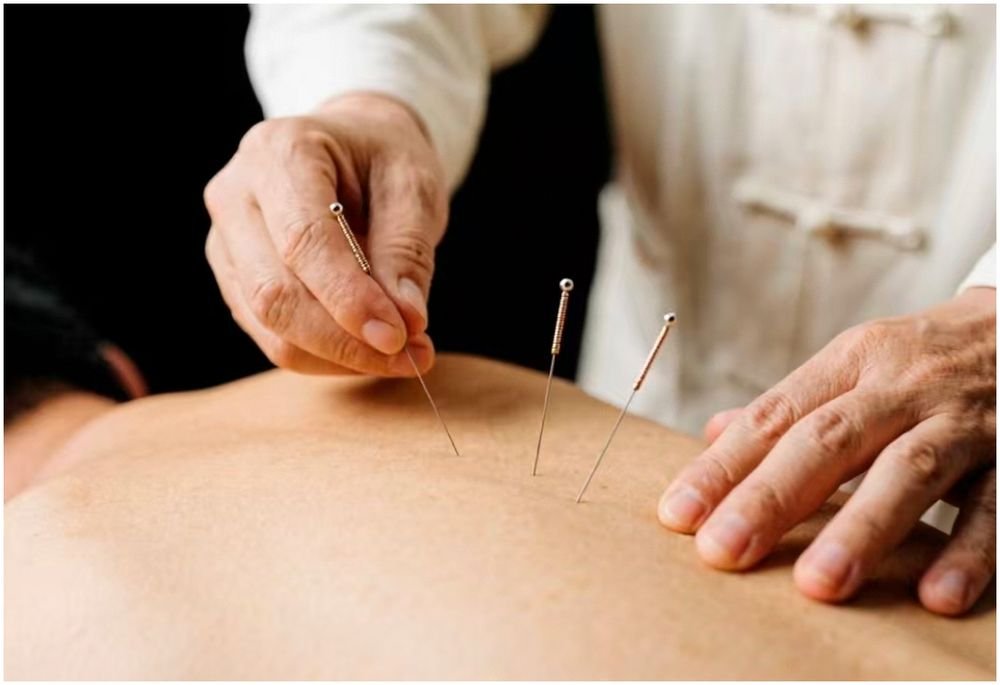
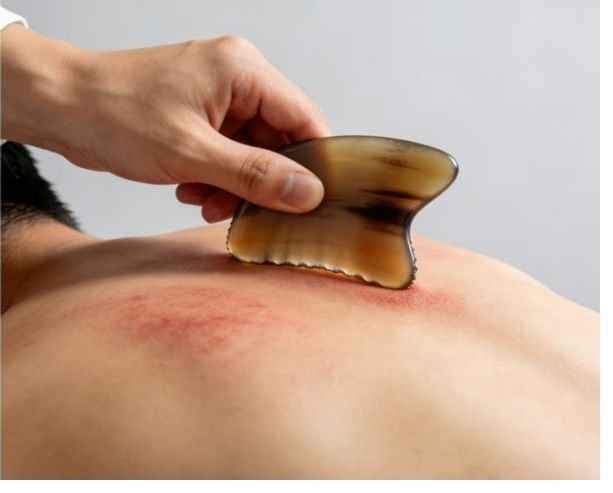
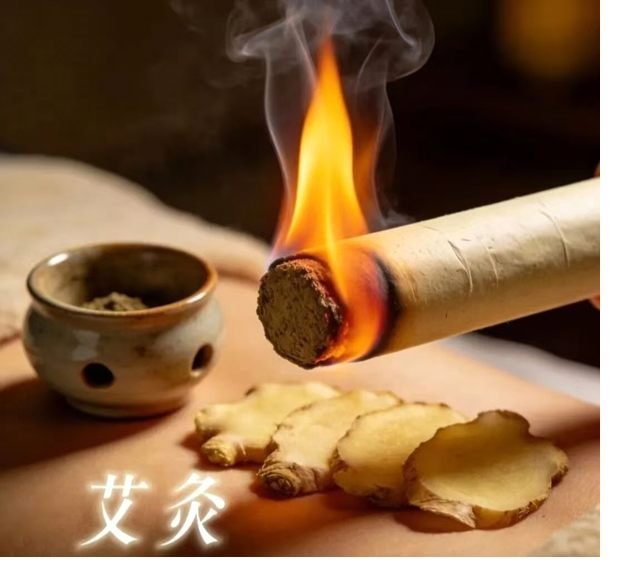
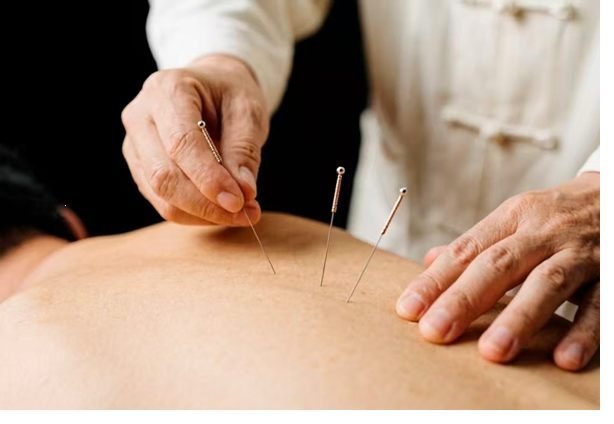
“When healthy qi is preserved within, pathogens cannot invade” — treatment should therefore emphasise tonifying and supplementing healthy qi and increasing resistance; “when yin is calm and yang is secure, the spirit (vitality) is in order” — adjusting the balance of yin and yang is an important principle of health cultivation and care. In treating COVID-19, in prevention, and in managing its after-effects, TCM requires pattern differentiation and treatment, tailored to the individual and to the illness, in order to ensure clinical efficacy. Non-pharmacological therapies may also be employed — such as acupuncture, cupping, gua sha, and herbal fumigation and washing — to improve constitution and adjust the balance of yin and yang.
TCM has effective ways to help
- Acupuncture and physical therapy — Indications: cough, dizziness, lower back pain, stomach pain, cold intolerance, muscle aches, weakness and fatigue, knee joint pain, insomnia, tinnitus, eye pain, hair loss, reduced appetite, shoulder pain, cervical spondylosis, chest oppression, copious phlegm, and a blocked, oppressed feeling in the throat, and the like.
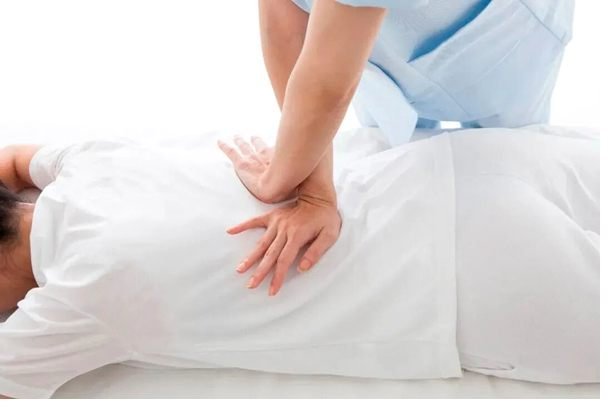
- Manual therapy — Indications: body aches, weakness and fatigue, headache and dizziness, poor appetite, insomnia, joint inflammation.
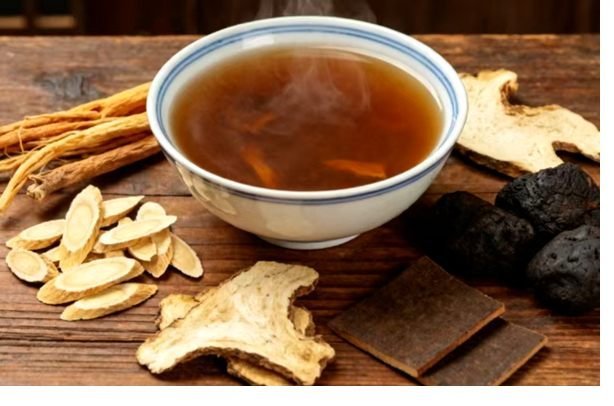
- Herbal medicine — Indications: lassitude and fatigue, insomnia, bronchitis, pneumonia, asthma, myocarditis, chest oppression, palpitations, spontaneous sweating (deficiency sweating), reduced appetite, distension and pain of the epigastrium and abdomen, cough, reduced smell and taste, fever, unstable blood pressure, loose stools, sore throat, and phlegm in the throat, and the like.
TCM management of the after-effects of COVID-19 emphasises pattern differentiation and treatment, tailored to the individual and to the illness; results vary from person to person — please consult a registered Chinese medicine practitioner.
Wondering if this treatment suits you? Get in touch to enquire.