Stroke Rehabilitation
Harnessing neuroplasticity during the golden recovery window to rebuild walking and independence.
What is a stroke?
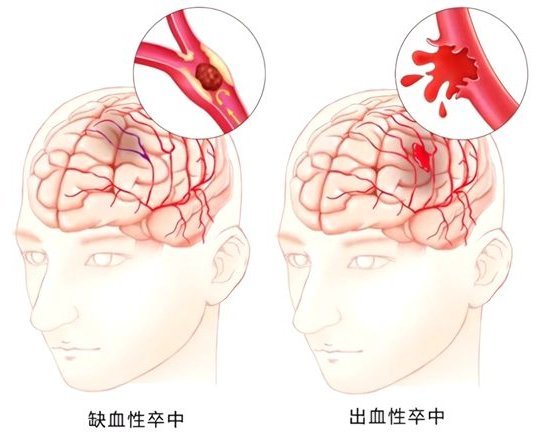
A stroke is brain damage caused by an interruption of the brain’s blood supply. It can be divided into two main types:
- Ischaemic stroke (about 70-80%): caused by a blocked vessel.
- Haemorrhagic stroke (about 20-30%): caused by a ruptured vessel.
The importance of physiotherapy in stroke recovery
The brain has the ability to remodel itself, a property known as “neuroplasticity”. Through various forms of activation and training, neuroplasticity can help rebuild the network of connections between damaged neurons, thereby restoring a stroke patient’s capacity for movement.
The first six months after a stroke are the golden window for recovery, and physiotherapy plays an important role during this period: by drawing on the properties of neuroplasticity, it helps patients re-learn how to control their limbs and trunk and regain the ability to walk, thereby improving their independence and supporting their return to everyday social life.
Physiotherapy for people who have had a stroke
Physiotherapy uses a range of treatment techniques to help patients re-learn control of their limbs, including but not limited to the following.
Gait training and gait correction
For many stroke patients, being able to walk safely and independently is their foremost recovery goal. After a stroke, many patients experience problems such as insufficient muscle strength or disordered muscle tone, leading to various abnormal gait patterns (such as a circumduction gait, a Trendelenburg gait, an ataxic gait, and so on), which greatly increase the risk of falls and undermine confidence. Treatment provides various forms of training to correct gait, for example:
- Lower-limb weight-shift training
- Practice of each phase of the gait cycle
- Stair training
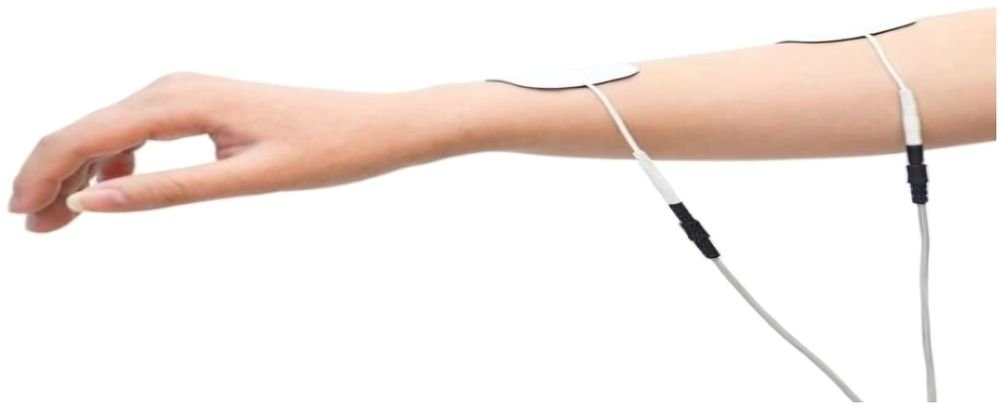
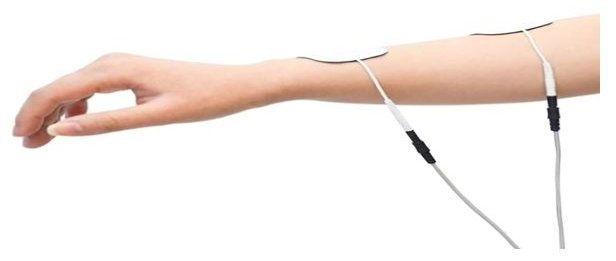
Functional electrical stimulation
Functional electrical stimulation, combined with exercise therapy, can improve the upper-limb function of stroke patients. It works by using a mild electrical current to stimulate the muscles affected by the stroke and the associated nerves, inducing contraction of that muscle group, so that stroke patients with insufficient hand strength can use the electrical stimulation to simulate normal hand movements.
Manual therapy
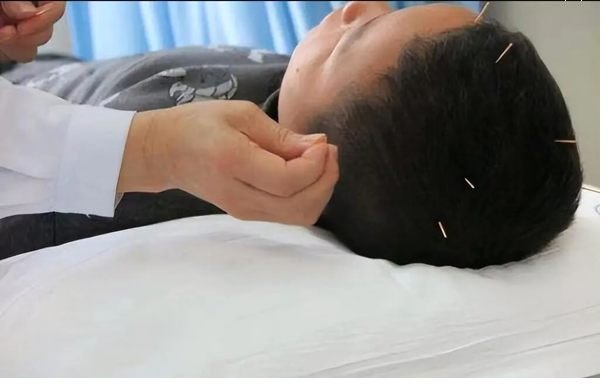
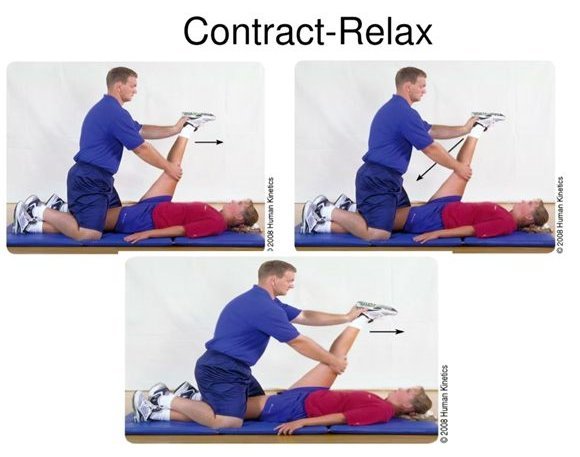
Depending on the patient’s condition, treatment applies a variety of rehabilitation techniques and theories to increase a stroke patient’s capacity for voluntary movement. For example, passive stretching, vibration stimulation and tapping stimulation are used to reduce the patient’s muscle tone reflexes and muscle spasticity; and Proprioceptive Neuromuscular Facilitation (PNF) is used, applying a series of stretches, resistance, pressure and traction, together with auditory and visual cues, to stimulate the patient’s capacity for movement.
Standing and walking training
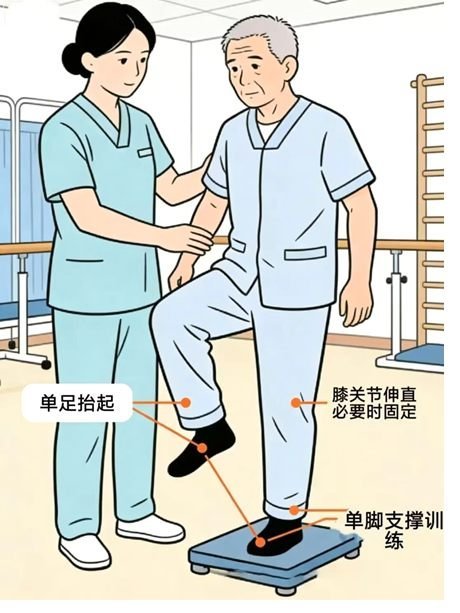
Standing training refers to methods of exercise that restore the ability to stand independently or with assistance. Good standing is the foundation of walking, so standing training must be carried out before walking training. Walking training refers to methods of exercise that restore the ability to walk independently or with assistance, progressively rebuilding the function of walking step by step.
Stroke recovery depends on making the most of the golden window, progressing step by step, and persevering over time; results vary from person to person and according to the condition.
Wondering if this treatment suits you? Get in touch to enquire.