Osteopathy
Whole-body osteopathic techniques balancing structure and function for chronic pain and posture issues.
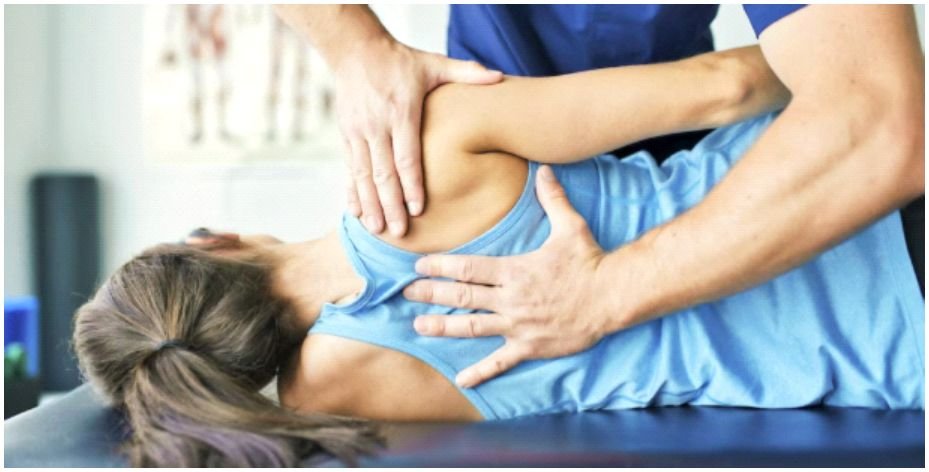
Osteopathy
Although its name contains the word “osteo” (bone), osteopathy is not limited to the bones and joints. It is a medical system built around a whole-body, holistic outlook, emphasising that the body’s systems are interrelated and using manual treatment to promote the body’s innate capacity for self-healing.
Holistic treatment philosophy
Osteopathic medicine regards the body as a unit in dynamic balance, in which the skeleton, muscles, nerves, circulatory system and other systems all influence one another. The aim of treatment is therefore to improve overall function by adjusting structure (such as bones and soft tissue), rather than simply “setting bones.”
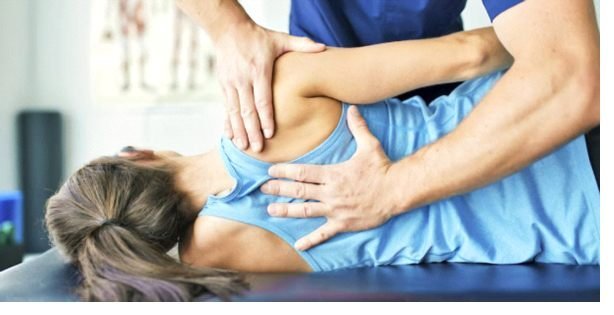
Scope of treatment
- Bones and joints: such as facet joint dysfunction of the spine and joint pain.
- Muscle and fascia: relieving muscle tension and fascial adhesions to improve movement function.
- Nervous system: easing nerve compression through spinal adjustment (such as sciatica).
- Circulatory system: promoting blood and lymphatic circulation, supporting cases of oedema or chronic inflammation.
- Visceral function: certain techniques target the visceral ligaments or surrounding structures to improve functional problems of digestion, respiration and so on (such as functional dyspepsia).
- Craniosacral system: craniosacral therapy regulates the flow of cerebrospinal fluid and may be used for headaches, tinnitus and similar complaints.
Differences from other therapies
Compared with Chinese-medicine bone-setting (zhenggu), TCM places more emphasis on repositioning bones, whereas osteopathy focuses more on coordinating overall function.
Examples of indications
Acute and chronic pain (back pain, neck pain), sports injuries, whole-body symptoms arising from poor posture, and some functional internal-medicine problems (such as adjunctive management of irritable bowel syndrome).
Core principles of osteopathic medicine
The core of osteopathic medicine is its holistic outlook, which sees the body as a unified functional whole rather than an assembly of isolated organs. Its core principles shape the logic of treatment:
- The body is a unified whole comprising body, mind and spirit;
- The body has the capacity for self-regulation, self-healing and the maintenance of health;
- Structure and function are interrelated (for example, muscle tension may give rise to visceral discomfort);
- Sound treatment is based on understanding and applying the principles above.
In simple terms, the osteopath’s work is to use manual techniques to locate the body’s areas of dysfunction (such as muscle tension or restricted joints) and to help the body restore balance and awaken its own healing ability.
Common osteopathic techniques
There are many types of osteopathic technique, each addressing different problems. The following highlights several techniques that are widely used in everyday practice.
1. Muscle energy technique: active participation to relieve muscle tension
This is one of the most commonly used osteopathic techniques. It requires the patient’s active cooperation and is suited to people with chronic muscle tension and restricted joint movement (such as neck and shoulder stiffness and lower-back soreness caused by prolonged sitting). It is mainly carried out in two ways:
- Post-isometric relaxation: the practitioner brings the muscle to a position that is “under tension but not painful” and has the patient contract the muscle against the practitioner’s hand (holding for about 5 seconds); after relaxing, the muscle is stretched a little further, repeating 3 to 5 times until the desired range of movement is reached. For example, when hip abduction is restricted, the “contract-relax” cycle is used to gradually increase the angle of abduction.
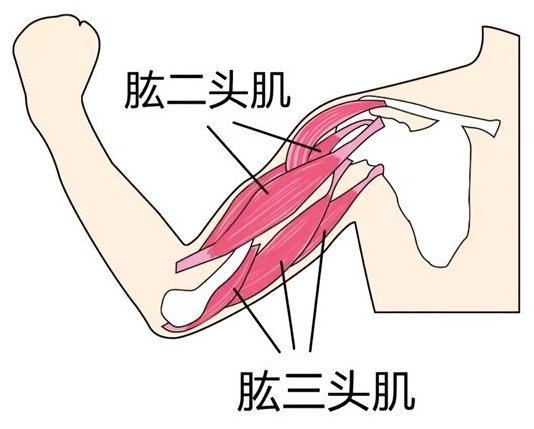
- Reciprocal inhibition: by contracting the antagonist muscle, the tense agonist muscle is made to relax reflexively. For example, when the biceps brachii is tense, contracting the triceps brachii indirectly relieves the stiffness of the biceps.
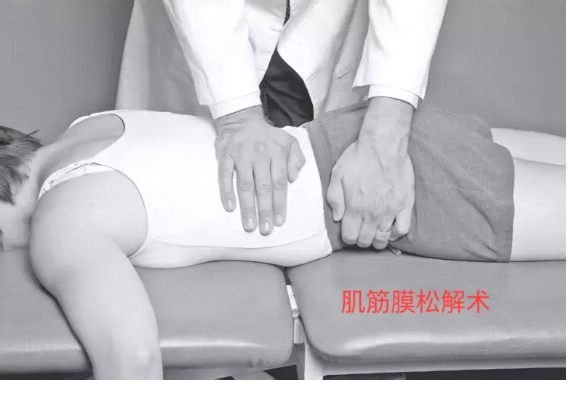
2. Myofascial release: non-invasive relief that resolves “fascial adhesions”
Muscle is wrapped in a layer of fascia. Injury, prolonged sitting and repetitive strain can cause the fascia to become adhered and tight, in turn leading to pain and restricted movement (such as lower-back stiffness after sitting for long periods, or muscle soreness after exercise). Myofascial release is divided into two forms:
- Direct technique: the practitioner applies gentle, sustained pressure directly to the restricted area of the fascia, stretching the adhered region.
- Indirect technique: the fascia is moved away from the restriction towards the direction of least resistance, allowing it to relax naturally.
This technique is gentle and non-invasive and is suitable for most people, especially patients with fibromyalgia, post-surgical scar adhesions and postural abnormalities.
3. High-velocity, low-amplitude technique: rapid relief of joint restriction
Commonly known as an “adjustment,” with this technique the practitioner applies a rapid, short-distance thrust to a restricted joint, precisely breaking through the joint’s restrictive barrier to quickly restore its range of movement. It is suited to people with joint pain and restricted movement (such as difficulty moving due to a stiff cervical spine or lumbar scoliosis).
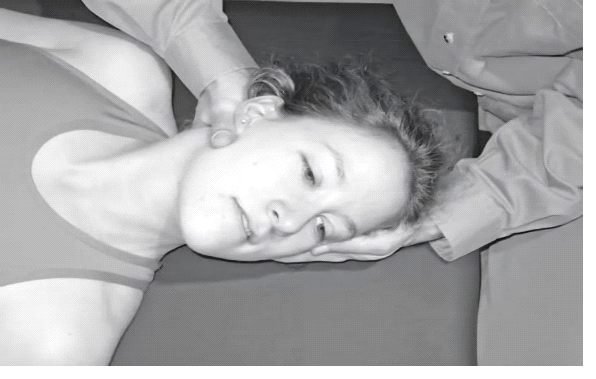
4. Rib-raising technique: regulating the sympathetic nerves and improving breathing
This technique is mainly aimed at people with sympathetic nervous dysfunction, laboured breathing, or those recovering from pneumonia. By “raising” the rib angles, it balances the autonomic nervous system and enhances lymphatic flow.
During the procedure the patient lies supine or sits, and the practitioner sits to one side of the patient with the fingertips contacting the rib angles, lifting the rib angles with a slow, gentle rocking motion and then releasing the tension; both sides are treated. Studies show that it is very well tolerated by patients with COPD and by hospitalised patients, with most experiencing almost no discomfort.
5. Lymphatic pump technique: boosting immunity to help fight infection
The lymphatic system is the body’s “line of immune defence”; once its circulation becomes sluggish, problems such as oedema and slow recovery from infection can easily arise. The lymphatic pump technique (LPT) uses a “pumping” manual action to promote lymphatic circulation and strengthen immune function. There are two common forms:
- Pedal lymphatic pump: the practitioner stands at the feet of the supine patient and gently dorsiflexes the feet, creating a fluid wave that promotes circulation throughout the body.
- Thoracic lymphatic pump: the practitioner places both hands on the patient’s chest wall and performs gentle, rhythmic pumping to promote lymphatic flow through the thoracic duct.
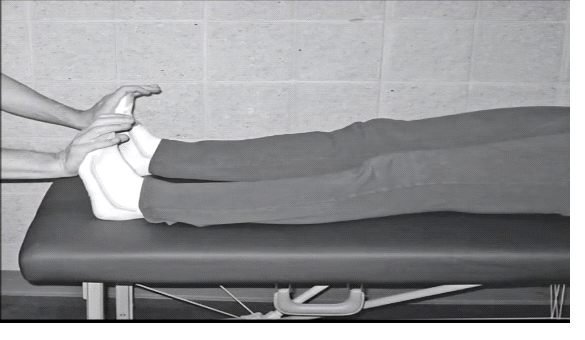
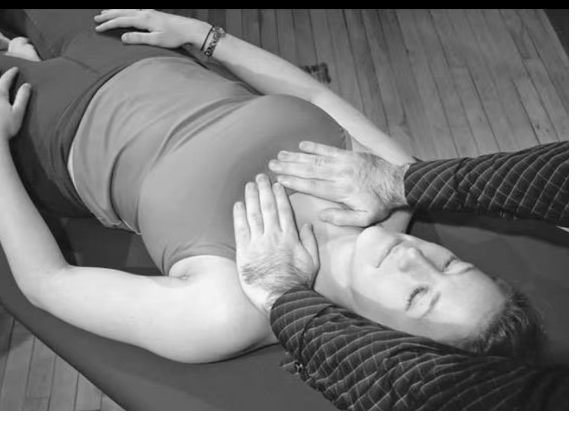
Studies confirm that it can increase the concentration of white blood cells in the lymph, helping the body to fight bacterial infections (such as pneumonia); it can also enhance the immune response to the hepatitis B vaccine and has even been used in research as an adjunct treatment for COVID-19 pneumonia.
6. Diaphragm-doming technique: relaxing the core breathing muscle to ease neck, chest and back pain
The diaphragm is the body’s core breathing muscle and at the same time connects the thoracic cage, the lumbar spine and the core structures. It not only affects breathing but also relates to postural stability, blood circulation and lymphatic flow. Prolonged sitting and poor breathing habits can easily lead to a tense diaphragm, in turn giving rise to neck, chest and back pain, laboured breathing and similar problems.
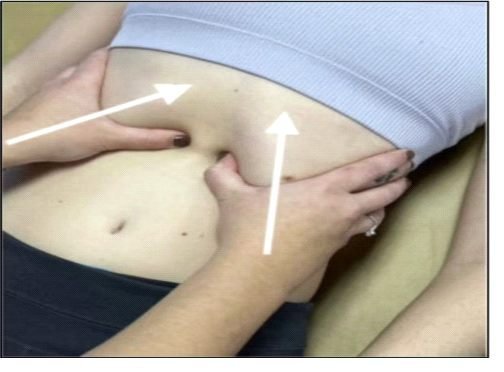
The diaphragm-doming technique is simple and gentle to perform: the patient lies supine, and the practitioner places both hands beneath the patient’s costal margins on each side, with the fingertips aimed at the dome of the diaphragm. As the patient exhales, gentle pressure is applied in both directions towards the centre of the diaphragm to help relax it and increase its range of movement, repeating several times in time with the patient’s breathing rhythm. Research indicates that this technique not only improves diaphragmatic movement and makes breathing smoother but can also effectively reduce pain in the cervical, thoracic and lumbar spine. It is especially suitable for people who sit for long periods, patients with chronic lower-back pain, and those with poor respiratory function.
7. Cranial osteopathy: gentle treatment suitable for all ages
Many people know that cranial osteopathy is suitable for infants (for example, relieving infant colic and torticollis), but it is equally effective for children, adults and the elderly, being particularly suited to relieving residual symptoms of concussion, improving sleep and addressing autonomic dysfunction. Through gentle techniques, it balances the flow of cerebrospinal fluid and regulates the movement of the cranial base and the sacrum, thereby improving central nervous system function. Studies have shown that it can also help improve memory function in Alzheimer’s-disease model rats and promote the clearance of metabolic waste.
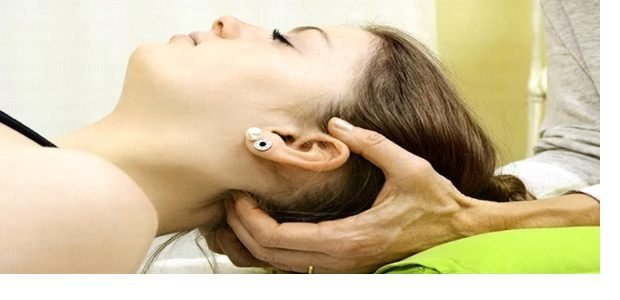
8. Mesenteric lift technique
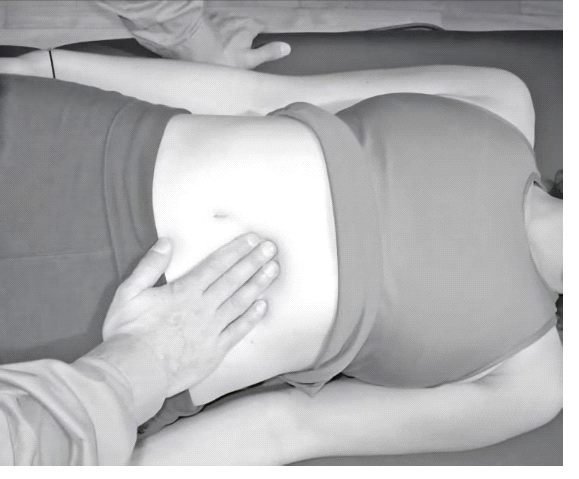
A lifting manual technique directed at mesenteric structures such as those of the small intestine and the caecum, helping to improve the mobility and circulation of the abdominal viscera.
Summary
The core of osteopathic manual treatment is to “awaken the body’s own healing ability” — it does not rely on medication and involves no invasive procedures, instead using manual techniques to regulate the balance between the body’s structure and function in order to relieve pain, improve movement and strengthen immunity. With the development of evidence-based medicine, a growing body of research confirms the effectiveness of osteopathic manual treatment, and it is gradually becoming an important adjunctive method in primary care and rehabilitation.
Osteopathic manual treatment does not rely on medication and involves no invasive procedures, easing discomfort by regulating the balance between structure and function; results vary from person to person.
Wondering if this treatment suits you? Get in touch to enquire.