Frozen Shoulder Exercises
Nine home exercises — wall climbing, arm swings, pendulum — to free a frozen shoulder.

Understanding frozen shoulder
Frozen shoulder, commonly known as “fifty-year shoulder” or “frozen shoulder” (adhesive capsulitis), is a common shoulder condition. The main symptom is shoulder pain, which may be intermittent or constant, and the pain usually worsens at night, disturbing sleep in severe cases. As the condition progresses, movement of the shoulder joint gradually becomes restricted, affecting daily activities such as dressing, combing the hair and washing the face.
⚠️ Once shoulder pain appears, first determine whether it is frozen shoulder; do not exercise blindly, as this may aggravate the condition. The following movements should be performed gently within a pain-free or only mildly painful range.
Nine home exercises
1. Wall climbing
Face the wall and use the fingers of the affected side to lead the arm in a climbing motion up the wall. Move gently and avoid going too fast, which can provoke severe pain. Climb 10–20 times per session; this helps open up the adhered shoulder joint.

2. Arm swinging
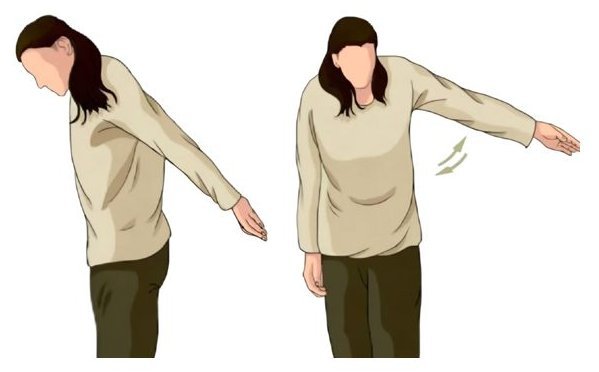
Stand with the feet shoulder-width apart and swing the affected arm alternately forward and back, increasing the range from small to large until you reach the maximum range you can tolerate, to free adhesions and restore joint function.
3. Reverse hand-pull
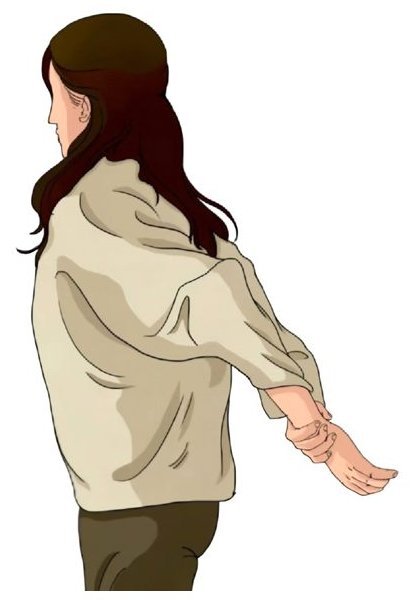
Extend the affected shoulder backward and place the back of the wrist against the lower back; use the healthy-side hand to draw the affected hand from behind toward the healthy-side shoulder blade. Move gently and increase the range gradually.
4. Arm circles
Stand upright or support yourself on a table with the healthy-side hand, relax the shoulder, and draw circles forward, upward, backward and downward, 10 circles in each direction. Make the circles large, but do not raise the arm higher than the shoulder.

5. Pendulum exercise
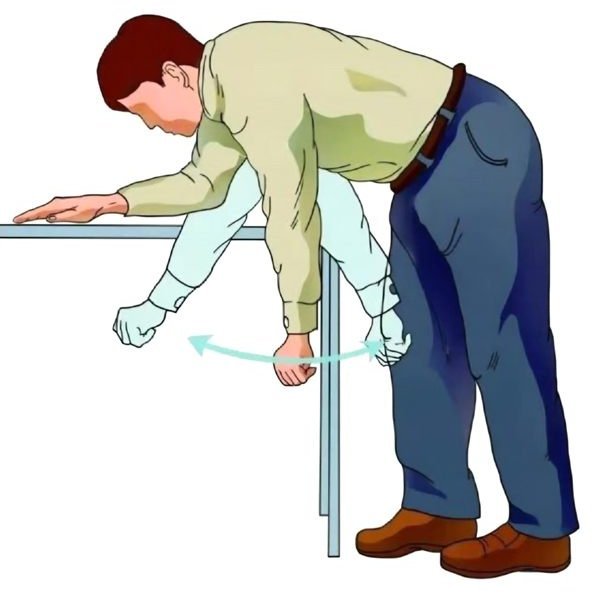
Bend forward and let the affected arm hang naturally, swinging it forward and back like a pendulum, 10–20 times per session, to relax the shoulder muscles and increase the range of movement.
6. Towel stretch
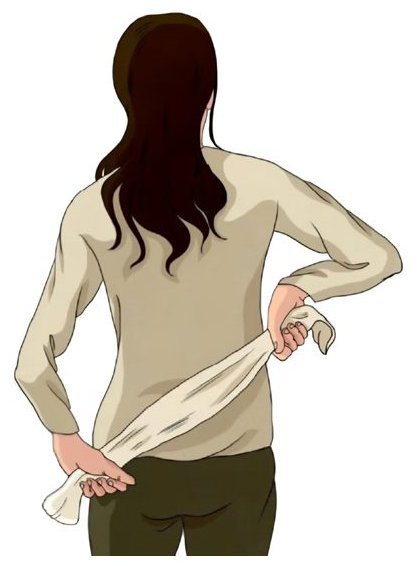
Hold both ends of a towel and gently pull it toward your body until you feel a stretch in the shoulder; hold for 15–30 seconds, then switch to the other side.
7. Forward flexion training
Raise the affected arm, or use the healthy arm to assist, lifting it as high as possible, hold for 5 seconds, then lower it slowly. 3–5 repetitions per set, two sets per day.

8. Abduction training
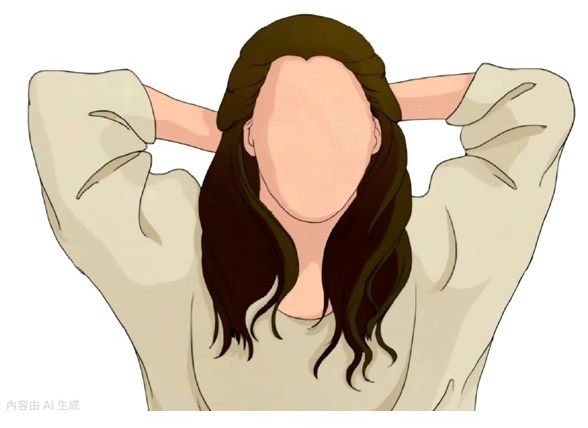
Clasp both hands behind the head and spread both elbows outward as far as possible, hold for 5 seconds, then lower slowly. 3–5 repetitions per set, two sets per day.
9. External rotation training
Bend the elbow joint to 90 degrees, keep the upper arm pressed against the chest, and gradually open it outward as far as possible, hold for 5 seconds, then lower slowly. 3–5 repetitions per set, two sets per day.

If pain increases noticeably during the exercises, or restricted movement persists, please seek assessment promptly.
Wondering if this treatment suits you? Get in touch to enquire.